
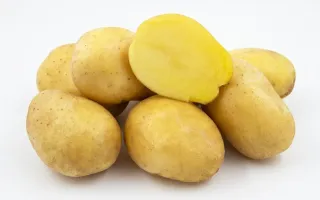

SKU #44255
·
55 views
Satina
Potato
KWSUser rating
0 votes0% positive reviews
No ratings yet — be the first.
Direction
Table Potato
Beginning of fruiting
65-75 days
Corm; shape
Oval
Corm; skin color
Light yellow (white)
Store offers · 5 from 3 stores
Prices are updated on loadLoading offers…
Available at: 10sotok · Agrokonsultant · Веснодар
Aggregator catalog: prices are collected automatically from store websites, normalized by AI and converted at the current exchange rate. Before ordering, confirm the price and availability on the store's website. This block is not indexed by search engines — the data is loaded after the page opens.
About product

A stable, high-yielding table variety with strong resistance to viral diseases and common scab.
Direction
Table Potato
Beginning of fruiting
65-75 days
Corm; shape
Oval
Corm; skin color
Light yellow (white)
Description
Satina Potato Technical Profile: Genetic Potential and Protection
Satina by KWS is a mid-early table potato variety whose growth architecture is focused on balancing vegetative development with crop marketability. With a maturity period of 65-75 days, the variety demonstrates high intensity of biomass accumulation, which is crucial for obtaining early commercial yields with an optimal starch content (12-13%).
Tuber Morphology and Culinary Qualities
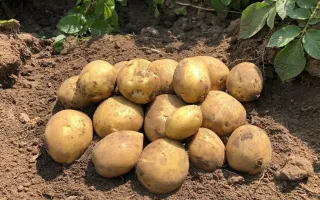
A visual and physical analysis of the tubers confirms structural stability: the oval profile ensures minimal waste during mechanical peeling. The light yellow skin, combined with yellow flesh, makes the variety highly attractive for retail and processing segments. The weight of the commercial fraction ranges from 50 to 130 grams, adhering to standard calibration requirements for table potatoes.
Phytopathological Resistance: Engineering Approach
The Satina variety is engineered to withstand modern industrial potato farming threats. Its genetic protection system incorporates mechanisms to counter a wide spectrum of pathogens:
- Rhizoctonia and Rots: Comprehensive resistance allows for reduced fungicide application during storage.
- Viral Blockade: KWS breeding effectively suppresses the development of leaf roll viruses and yellows, preventing seed degeneration.
- Common Scab: High resistance to this pathogen preserves the marketability of tubers even in light soils where the pathogen is most active.
The practical value of this variety lies in risk mitigation during unpredictable growing seasons. Satina offers predictable development dynamics, enabling agronomists to precisely plan application schedules for plant protection products and harvest dates, relying on its established resilience against rust and other systemic diseases.
Crop & resistance
Crop
Specifications hover over for a hint about the specification
|
Direction
Direction
Existing varieties and types of cabbage are grown for fresh consumption, long-term storage, and technical processing. |
|
|---|---|
|
Beginning of fruiting
Beginning of fruiting
The early maturity of watermelon varieties mainly depends on the duration of growth and fruit ripening phases, rather than the timing of female flower blooming. Many varieties, ripening at different times, begin to bloom almost simultaneously. Approximately 30 days after fruit se... |
65-75 days |
| Corm; shape | |
| Corm; skin color | |
| Corm; flesh color | |
| Corm; mass | 50-130 grams |
| Starch Content | 12-13% |
| Registration year | 2001 |
| Catalog | Catalog → Potato |
| Manufacturer | KWS |
| Country | Germany |
Not yet комментариев. Be the first!
Alternatives
Seed potatoes · similar varieties





See also
Often considered together with this variety




Recently viewed
Products you’ve viewed on this site
Reviews · 0