


SKU #52411
·
50 views
Potato POVIROVEC
Potato
Prices in stores
No offers yet — stores have not added prices for this product yet.
Similar varieties with prices
All offers: Seed potatoes
Direction
Table Potato
Time to first harvest
55-65 days
Tuber: shape
Round
Tuber: skin color
Light yellow (white)
Your mark
0 votes
0% positive ratings
Description
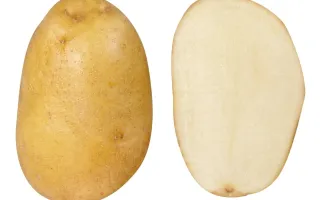
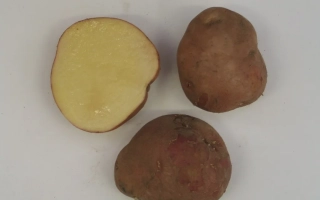
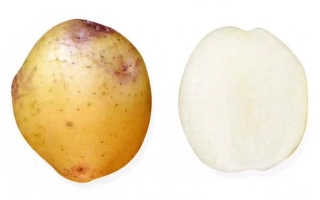
The potato variety Povirovec is an early-maturing Russian table variety with round, light beige tubers weighing 70 to 100 grams. The flesh is white, eyes are of medium depth, and the skin is yellow. The variety is characterized by high starch content (10-12%), making it versatile for various culinary uses, including salads, soups, and frying. The flesh does not darken when cut, improving the appearance of dishes. Povirovec is known for its early maturity and early yield, with a vegetation period of 50 to 65 days.
The yield of this variety reaches 250-320 centners per hectare, with a marketability of about 85.9%. Each plant forms 9 to 13 tubers, ensuring a stable and high harvest. The tubers have high storability — around 92% — allowing long-term storage without quality loss. The variety is primarily grown in the Far East region of Russia and requires standard agronomic practices. A distinctive feature of the variety is the absence of flowering.
Povirovec is resistant to potato scab (pathotype I), but is severely affected by late blight of foliage and tubers, as well as viral diseases. It is moderately susceptible to common scab and rhizoctonia. Additionally, the variety is susceptible to golden potato nematode. Despite these drawbacks, the variety is valued for its early maturation and stable yield, making it popular among agricultural producers.
The yield of this variety reaches 250-320 centners per hectare, with a marketability of about 85.9%. Each plant forms 9 to 13 tubers, ensuring a stable and high harvest. The tubers have high storability — around 92% — allowing long-term storage without quality loss. The variety is primarily grown in the Far East region of Russia and requires standard agronomic practices. A distinctive feature of the variety is the absence of flowering.
Povirovec is resistant to potato scab (pathotype I), but is severely affected by late blight of foliage and tubers, as well as viral diseases. It is moderately susceptible to common scab and rhizoctonia. Additionally, the variety is susceptible to golden potato nematode. Despite these drawbacks, the variety is valued for its early maturation and stable yield, making it popular among agricultural producers.
Crop & resistance
Crop
Disease resistance
Specifications
| Direction | |
|---|---|
| Time to first harvest | 55-65 days |
| Tuber | |
| Shape | |
| Skin color | |
| Flesh color | |
| Eye depth | |
| Mass | 50-130 grams |
| Registration year | 1975 |
| Catalog | Catalog → Potato |
| Legal data |
Show · 7
|
| Country | Russia |
No reviews yet. Be the first to share your experience.
Alternatives
Seed potatoes · similar varieties




See also
Often considered together with this variety







Recently viewed
Products you’ve viewed on this site
Reviews