

SKU #52415
·
62 views
Clad
Potato
OOO 'Miratorg-Kursk'User rating
0 votes0% positive reviews
No ratings yet — be the first.
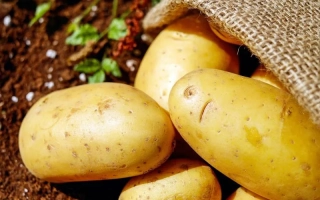
Corm; shape
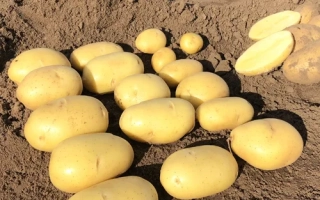
Oval elongated
Corm; skin color
Light yellow (white)
Corm; flesh color
Light Yellow
Registration year
2024
About product

A high-tech variety with strong resistance to late blight and nematodes for stable industrial yields.
Corm; shape
Oval elongated
Corm; skin color
Light yellow (white)
Corm; flesh color
Light Yellow
Registration year
2024
Description
Genetic Potential and Protection: Why «Klad» is Selected for Industrial Farming
The «Klad» potato variety, bred to meet the standards of the Miratorg-Kursk agro-holding, represents a modern approach to crop protection at the plant biology level. The primary focus here is not merely on aesthetic appearance, but on resistance to critical biotic factors that annually reduce the profitability of potato production in central regions.
Biological «Shield» Against Nematodes and Late Blight
The key value of «Klad» lies in its comprehensive genetic resistance. The golden potato cyst nematode (Globodera rostochiensis) is a major soil pest capable of destroying up to 80% of a crop. This variety incorporates defense mechanisms that suppress the pest's development within the root system. This allows agronomists to optimize costs associated with soil fumigation and reduce overall pesticide application.
Late blight (Phytophthora infestans) resistance is the second «bottleneck» addressed by the developers. Thanks to enhanced pathogen resistance, the variety maintains vegetative mass for longer, directly influencing tuber filling and marketable weight at harvest time.
Tuber Morphology and Harvesting Efficiency
- Geometry: The elongated-oval shape of the tuber is optimal for mechanized washing and packaging. The absence of deep eyes and significant bumps reduces waste percentages during automated peeling processes.
- Color Palette: The light-yellow (almost white) skin, combined with an identical flesh color, represents a classic standard for retail and processing segments (chips, fries, puree).
- Flesh Structure: The dense flesh structure contributes to high storability in industrial vegetable warehouses, minimizing losses from mechanical damage during loading and transportation.
From an agronomic perspective, «Klad» by Miratorg-Kursk is a tool designed for predictable outcomes. Stability of tuber shape under varying weather conditions and high tuber density make this variety an economically sound solution for intensive cultivation technologies.
Crop & resistance
Crop
Disease resistance
Pest resistance
Specifications
| Corm; shape | |
|---|---|
| Corm; skin color | |
| Corm; flesh color | |
| Registration year | 2024 |
| Catalog | Catalog → Potato |
| Manufacturer | OOO 'Miratorg-Kursk' |
| Country | Russia |
Store offers
Prices are updated on loadLoading offers…
Aggregator catalog: prices are collected automatically from store websites, normalized by AI and converted at the current exchange rate. Before ordering, confirm the price and availability on the store's website. This block is not indexed by search engines — the data is loaded after the page opens.
Not yet комментариев. Be the first!
Alternatives
Seed potatoes · similar varieties






See also
Often considered together with this variety





Recently viewed
Products you’ve viewed on this site
Reviews · 0