


Prices in stores
No offers yet — stores have not added prices for this product yet.
Similar varieties with prices
-
TIMER
from 0.38 €
-
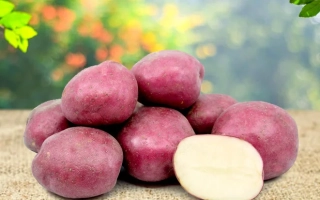 KarmenLLC 'DOKA-GENE TECHNOLOGIES'
from 0.41 €
-
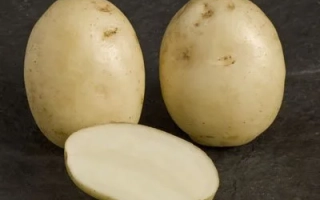 VELORCAITHNESS POTATO BREEDERS LTD
from 24.47 €
-
 CamelliaIPR BV
from 2.19 €per 1 kg
Direction
Table Potato
Tuber: shape
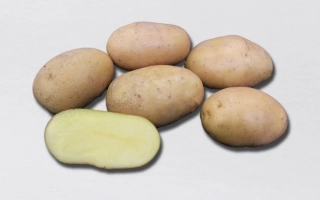
Oval-rounded
Tuber: eye depth
Shallow
Tuber: mass
50-130 grams
Your mark
0 votes
0% positive ratings
Description
The Indigo potato is a medium-early table variety with a unique blue-speckled flesh, giving it an attractive appearance and making it popular in culinary use. The tubers are oval-round in shape with small eyes, yellow skin, and a weight ranging from 98 to 167 grams. The starch content in the tubers is 13.5–14.6%, ensuring good taste and nutritional value. This variety is characterized by high marketability (79–94%) and excellent storability (92%), allowing it to maintain product quality for a long time after harvest.
Indigo plants are tall, intermediate type with semi-erect growth habit, dark green medium-sized leaves and small flower buds with moderate anthocyanin coloring on the inner side. Yield varies from 136 to 231 centners per hectare, matching or exceeding standard varieties, with a maximum yield reaching 377 centners per hectare. The variety is resistant to potato blight and golden potato cyst nematode, but susceptible to late blight on foliage and tubers.
Growing Indigo potatoes requires adherence to specific agronomic conditions. Tubers are sprouted at temperatures from +10°C to +15°C for 4–6 weeks before planting, after which temperature is reduced to 5–7°C and good lighting is provided. Planting is done in warmed soil to a depth of about 10 cm at a temperature of 6–8°C. This potato variety prefers moist conditions, so regular watering is necessary. To protect against root and tuber rot, fungal diseases, and late blight, it is recommended to treat with microbial preparations based on Bacillus subtilis. Due to its excellent taste, high yield, and disease resistance, the Indigo variety is a promising choice for cultivation in various regions.
Video · 1 video
Suggest a video →Crop & resistance
Crop
Disease resistance
Pest resistance
Specifications
| Direction | |
|---|---|
| Tuber | |
| Shape | |
| Eye depth | |
| Mass | 50-130 grams |
| Starch Content | 13-14% |
| Registration year | 2019 |
| Catalog | Catalog → Potato |
| Manufacturer | LLC 'DOKA-GENE TECHNOLOGIES' |
| Country | Russia |
No reviews yet. Be the first to share your experience.
Alternatives
Seed potatoes · similar varieties




See also
Often considered together with this variety






Recently viewed
Products you’ve viewed on this site
Reviews