


Prices in stores
No offers yet — stores have not added prices for this product yet.
Similar varieties with prices
-
BerninaEuroplant Pflanzenzucht GmbH
from 2.91 €per 1 kg
-
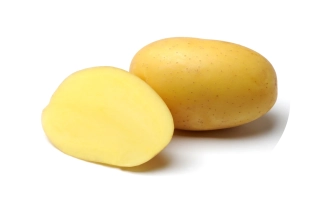 NANDINAEuroplant Pflanzenzucht GmbH
from 9.3 €
NANDINAEuroplant Pflanzenzucht GmbH
from 9.3 €
-
 InaraNORIKA
from 0.08 €per 1 kg
InaraNORIKA
from 0.08 €per 1 kg
-
 RED ROSE
from 5.54 €per 1 kg
RED ROSE
from 5.54 €per 1 kg
Direction
Table Potato
Time to first harvest
85-95 days
Tuber: shape
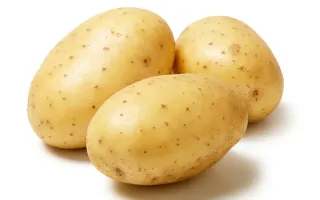
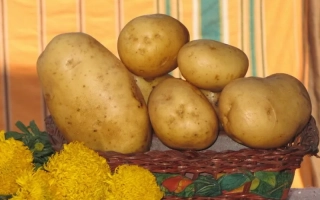
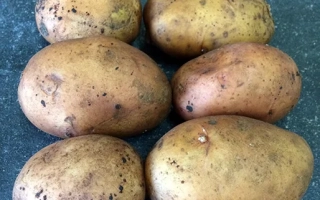
Oval elongated
Tuber: skin color
Yellow
Your mark
0 votes
0% positive ratings
About product
A dependable table potato variety with high resistance to nematodes and scab for consistent yields.
Description
Technical Profile of the 'Berehynia' Variety
Developed by the Polissia Research Station named after O.M. Zasukhin, this table potato variety is engineered for consistent yield and commercial reliability. The technical advantage of 'Berehynia' lies in its optimized vegetation cycle and high resistance to major soil-borne diseases.
Tuber Morphology and Physiology
For industrial farming, tuber geometry is critical for mechanical harvesting and marketability. 'Berehynia' features an elongated-oval shape; combined with smooth skin and shallow eyes, it minimizes mechanical damage and processing waste. Tuber weight averages 50–130 grams, fitting standard retail requirements.
Resistance and Phytosanitary Potential
The variety shows a robust resistance profile against biological threats, effectively reducing the need for intensive pesticide programs:
- Potato Wart: Full genetic immunity.
- Golden Potato Cyst Nematode: The variety suppresses the pest population in the soil.
- Common Scab: High resistance ensures an attractive skin finish even under stressful soil conditions.
- Viral Diseases: High tolerance to mosaic viruses ensures stable yield potential across multiple production cycles.
With a starch content of 12–13%, this is a versatile table potato with moderate boiling characteristics. A maturation period of 85–95 days allows for precise logistical planning during the harvest season.
Crop & resistance
Crop
Disease resistance
Pest resistance
Specifications
| Direction | |
|---|---|
| Time to first harvest | 85-95 days |
| Tuber | |
| Shape | |
| Skin color | |
| Skin structure | |
| Eye depth | |
| Mass | 50-130 grams |
| Starch Content | 12-13% |
| Registration year | 1992 |
| Catalog | Catalog → Potato |
| Manufacturer | Polissia DS named after O.M. Zasuhin |
| Country | Ukraine |
No reviews yet. Be the first to share your experience.
Alternatives
Seed potatoes · similar varieties




See also
Often considered together with this variety





Recently viewed
Products you’ve viewed on this site
Reviews