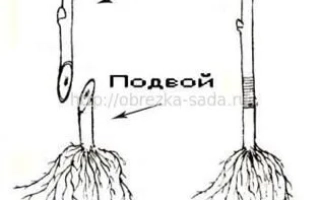
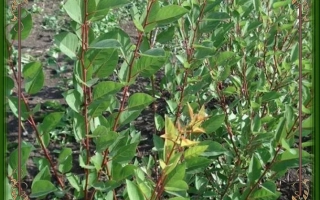
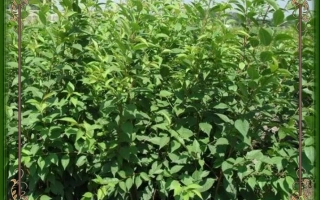
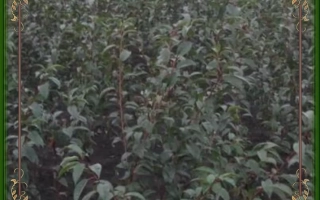
Rootstock is a key element of fruit crop cultivation technology, determining the timing of fruiting onset, yield, and fruit quality. Cherries can be grafted onto seedling (antipka) or clone rootstocks: VTS-13, VSL-1, VSL-2, VP-1, Gisela-5, Ruby, etc. Seedling rootstocks remain popular due to their ease of propagation, though they are less resistant to waterlogging, root rot, and diseases, and often produce suckers, increasing maintenance costs.
Clone rootstocks have several advantages: they reduce tree vigor, increase stress resistance (drought, waterlogging), and reduce the risk of infection by coccomycosis and moniliosis. For example, VSL-2 is a dwarf rootstock that reduces cherry growth by 30–50%, ensures early fruiting: trees begin bearing fruit just 2–3 years after planting. It is drought-resistant, frost-hardy, does not produce root suckers, and is protected against root rot and bacterial canker.
Other popular clone rootstocks include VTS-13 (semi-dwarf, reduces growth by 25–30%, yields fruit 2 years earlier than seedlings), L-2 and LC-52 (both semi-dwarf, reduce growth by approximately 25–30%, provide good drought and frost resistance). All these rootstocks are compatible with all cherry varieties and suitable for use in all fruit-growing zones of the Krasnodar Krai. They allow optimizing agronomic practices, reducing tree maintenance expenses, and increasing overall orchard productivity.
Methodological guidelines for studying the topic "Rootstocks of Fruit Species" include information on the properties of pome and stone fruits, their ecological features, propagation methods, and soil requirements. These materials are intended for independent work and practical sessions for agronomy students, helping them better understand the role of rootstocks in modern horticultural practice.