
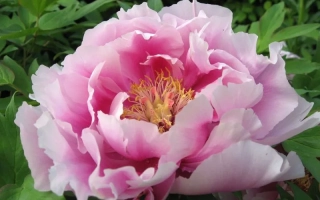


SKU #69345
·
49 views
Maria
Peony
BOTANIChESKIJ SAD MGU IM.M.V.LOMONOSOVAUser rating
0 votes0% positive reviews
No ratings yet — be the first.
Group
Tree-like
Petals Color
White, Pink
Flower Type
Semi-double
Blooming Period
Medium (May 31 – June 15)
Prices in stores
from2 456.67 €per 1000 seeds
pack from 7.37 € per 3 pcs
1 offer from 1 store
Store offers · 1 from 1 stores
Prices are updated on loadLoading offers…
Available at: Green Edem · Світ Рослин
Aggregator catalog: prices are collected automatically from store websites, normalized by AI and converted at the current exchange rate. Before ordering, confirm the price and availability on the store's website. This block is not indexed by search engines — the data is loaded after the page opens.
About product

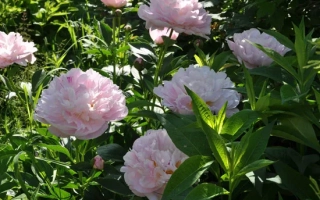
An elegant tree peony with superior disease resistance and stunning, semi-double blooms.
Group
Tree-like
Petals Color
White, Pink
Flower Type
Semi-double
Blooming Period
Medium (May 31 – June 15)
Description
Aesthetics and Resilience in One Shrub
The 'Marianna' peony is more than just a decorative plant; it is a product of professional breeding by the Botanical Garden of Lomonosov Moscow State University. As a grower, you will quickly appreciate its low-maintenance nature combined with high aesthetic appeal. This tree peony variety requires minimal intervention, provided you select the right location at the time of planting.
Operational Features and Maintenance
The key to success with 'Marianna' is strategic lighting. This peony is extremely sun-loving: it only reaches its full potential in an open, sun-drenched area. With a shrub height reaching 100–120 cm, it is important to provide ample space for its vigorous growth. Its tree-like structure provides excellent drought resistance, eliminating the need for daily watering even during hot, dry spells.
Bloom Period and Care
- Flowering: Mid-season, ranging from May 31 to June 15. During this time, the semi-double blooms with gradients from white to pink become the focal point of the garden.
- Protection: The variety possesses natural genetic resistance to gray mold (Botrytis), which significantly reduces the need for frequent fungicide applications.
- Application: Ideal for solitary plantings or as a structural element in complex garden beds where a stable, upright height is desired.
'Marianna' is a choice for those who value predictable results. Despite belonging to the tree peony category—often associated with being finicky—this MSU-bred hybrid demonstrates remarkable hardiness and consistent blooming, making it a sound long-term investment for your landscape design.
Video · 1 video
Suggest a video →Crop & resistance
Crop
Disease resistance
Specifications
| Group | |
|---|---|
| Petals Color | |
| Flower Type | |
| Blooming Period | Medium (May 31 – June 15) |
| Plant Height | 100, 120 |
| Assignment | |
| Light-loving | |
| Drought Resistance | |
| Frost Resistance | |
| Registration year | 1995 |
| Catalog | Catalog → Peony |
| Manufacturer | BOTANIChESKIJ SAD MGU IM.M.V.LOMONOSOVA |
| Legal data |
Show · 3 |
| Country | Russia |
Not yet комментариев. Be the first!
Alternatives
Peony plants · similar varieties




See also
Often considered together with this variety




Recently viewed
Products you’ve viewed on this site
Reviews · 0