


Prices in stores
from4.85 €per 1 kg
pack from 0.1 € per 0.1 g
38 offers from 26 stores
Herbs
Oregano
Type
Common oregano
Aromaticity
Strong aroma
Usage
Culinary, Medicine
Your mark
0 votes
0% positive ratings
Store offers · 38 from 26 stores
38 offers in 26 stores — from 4.85 € per 1 kg.
Available at: agrolux-mayaki-com-ua · agropremier-com-ua · Agroshop · alluneedgardensupply-com · beringmeier-de · blomea-fi · Dar Sad · Dolcibo · Ecobaza · ecolotos-com-ua · fito-ua · fitoskrynka-com-ua · Флора Март · Gardensber · goodfruits-com-ua · Х торг
Prices are collected automatically from store websites and converted at the current exchange rate. Check the price and availability on the store website before ordering.
About product
An aromatic perennial with benchmark essential oil content from a leading research institute.
Description
Spicy Classic by VILAR
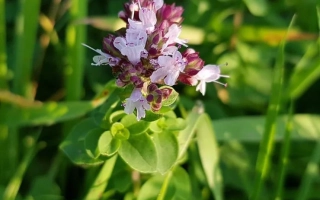
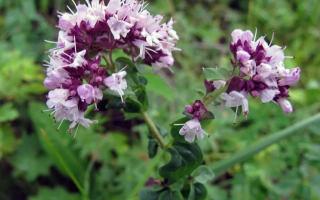
The 'Dushechka' variety is the result of many years of breeding by the VILAR Institute, created specifically for those who value variety purity and predictable results. Unlike wild oregano, this variety possesses a consistently high content of essential oils, making it a preferred choice for home gardens and small farms.
Aromatic Profile and Use
The main strength of 'Dushechka' is its intense, distinct aroma. It is not just an ornamental plant, but a full-fledged spice crop:
- Culinary: an ideal balance of bitterness and sweetness, indispensable for meat dishes, sauces, and home baking.
- Phytotherapy: official recognition by the VILAR Institute confirms a high concentration of bioactive substances suitable for brewing teas and infusions.
Who is this variety for?
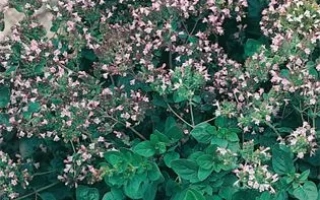
'Dushechka' is optimal for those seeking a balance between aesthetics and utility. As a perennial, it grows vigorously and retains vitality in one spot for years. It is low-maintenance, making it a great option for beginner gardeners, yet it possesses varietal traits that professionals in the medicinal herb industry will appreciate.
Important note: like any oregano, 'Dushechka' loves sun and moderate watering. Avoid waterlogging the soil, otherwise, the aroma may become less concentrated. Unlike many first-generation hybrids (F1), this is a stable variety, allowing you to harvest your own seeds for propagation if desired.
Crop & resistance
Crop
Specifications
| Herbs | |
|---|---|
| Type | |
| Aromaticity | |
| Usage | |
| Registration year | 2024 |
| Catalog | Catalog → Oregano |
| Manufacturer | VILAR |
| Legal data |
Show · 1 |
| Country | Russia |
No reviews yet. Be the first to share your experience.






See also
Often considered together with this variety






Recently viewed
Products you’ve viewed on this site
Reviews