


SKU #72316
·
63 views
KRIMCHANKA
Oregano
User rating
0 votes0% positive reviews
No ratings yet — be the first.
Herbs
Oregano
Type
Common Wormwood
Usage
Culinary, Medicine, Tea Blends
Registration year
2019
About product

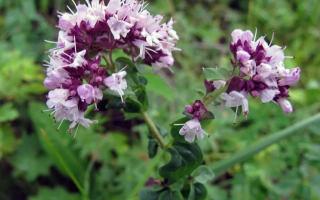
Oregano (Origanum vulgare), also known as wild marjoram, is a perennial herbaceous plant that blooms from May to September on meadows, forest edges, and mountain slopes, especially in the Mountain Crimea. In cuisine, oregano is valued for its delicate peppery taste, which perfectly complements meat dishes, seafood, salads, and soups. The spice can be used fresh or dried, added to tomato sauces, sp…
Herbs
Oregano
Type
Common Wormwood
Usage
Culinary, Medicine, Tea Blends
Registration year
2019
Description
Oregano (Origanum vulgare), also known as wild marjoram, is a perennial herbaceous plant that blooms from May to September on meadows, forest edges, and mountain slopes, especially in the Mountain Crimea. In cuisine, oregano is valued for its delicate peppery taste, which perfectly complements meat dishes, seafood, salads, and soups. The spice can be used fresh or dried, added to tomato sauces, spaghetti, sausages, vegetable and egg dishes, as well as cheeses, tea, and kvass.
Oregano contains essential oils (thymol, carvacrol), phenols, sesquiterpenoids, monoterpenoids, flavonoids, phenolic acids, vitamin C, and tannins. These components give the plant antioxidant, anti-inflammatory, and antiseptic properties.
For therapeutic use, oregano is used as an infusion: 2 tablespoons of the raw material are poured with 200 ml of hot boiled water, heated in a water bath for 15 minutes, then cooled to room temperature and filtered. The resulting infusion is taken half a glass twice a day 15 minutes before meals. Juice from flowering herb can be taken with honey (1:3) three times a day also 15 minutes before meals. Infusion and juice are used for respiratory system diseases, gastritis, liver disorders, hypertension, convulsions, epilepsy, neurasthenia, hypersexuality, and painful menstruation.
Oregano contains essential oils (thymol, carvacrol), phenols, sesquiterpenoids, monoterpenoids, flavonoids, phenolic acids, vitamin C, and tannins. These components give the plant antioxidant, anti-inflammatory, and antiseptic properties.
For therapeutic use, oregano is used as an infusion: 2 tablespoons of the raw material are poured with 200 ml of hot boiled water, heated in a water bath for 15 minutes, then cooled to room temperature and filtered. The resulting infusion is taken half a glass twice a day 15 minutes before meals. Juice from flowering herb can be taken with honey (1:3) three times a day also 15 minutes before meals. Infusion and juice are used for respiratory system diseases, gastritis, liver disorders, hypertension, convulsions, epilepsy, neurasthenia, hypersexuality, and painful menstruation.
Crop & resistance
Crop
Specifications
| Herbs | |
|---|---|
| Type | |
| Usage | |
| Registration year | 2019 |
| Catalog | Catalog → Oregano |
| Legal data |
Show · 8
|
| Country | Russia |
Store offers
Prices are updated on loadLoading offers…
Aggregator catalog: prices are collected automatically from store websites, normalized by AI and converted at the current exchange rate. Before ordering, confirm the price and availability on the store's website. This block is not indexed by search engines — the data is loaded after the page opens.
Not yet комментариев. Be the first!



See also
Often considered together with this variety








Recently viewed
Products you’ve viewed on this site
Reviews · 0