


SKU #72317
·
74 views
Zima
Oregano
ВИЛАРUser rating
0 votes0% positive reviews
No ratings yet — be the first.
Herbs
Oregano
Type
Common Wormwood
Frost Resistance
High
Usage
Culinary, Medicine
About product

A frost-resistant oregano variety with high essential oil content, designed for stable yields in harsh climates.
Herbs
Oregano
Type
Common Wormwood
Frost Resistance
High
Usage
Culinary, Medicine
Description
Genetic Potential of the 'Zima' Variety
The 'Zima' oregano variety, developed by VILAR, is a specialized botanical solution designed for challenging climatic conditions. The fundamental strength of this material lies in its genetically fixed resilience to low temperatures. Unlike wild types, 'Zima' demonstrates consistent root system regeneration after deep soil freezing, ensuring plant survival where other varieties fail.
Agrotechnical and Morphological Specifications
- Biochemistry and Application: A high concentration of essential oils and tannins makes this cultivar essential for both the pharmaceutical industry (as a raw material for sedative and expectorant medicines) and culinary use.
- Substrate Requirements: Root system aeration is the critical factor for this variety. When selecting a site, adequate drainage must be provided; stagnant moisture during the winter-spring transition period can cause rot despite the plant's high frost resistance.
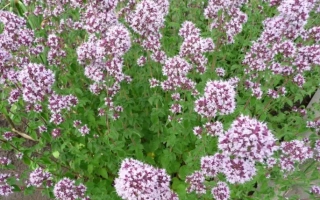
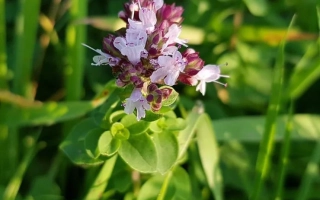
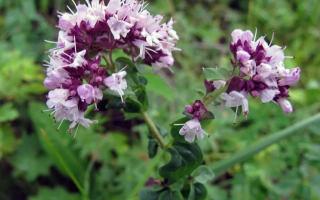
- Visual Characteristics: During the flowering phase, the plant produces dense, pinkish-lilac inflorescences with high nectar productivity.
Technologically, the VILAR variety is engineered for long-term cultivation. The rhizome possesses high structural density, contributing to the longevity of the plantation. With proper soil preparation and moisture management, 'Zima' displays predictable growth dynamics, which is vital for scheduling the harvest of medicinal raw materials.
Video · 4 videos
Suggest a video →Crop & resistance
Crop
Specifications
| Herbs | |
|---|---|
| Type | |
| Frost Resistance | |
| Usage | |
| Soil Requirements | |
| Flower Color | |
| Registration year | 2015 |
| Catalog | Catalog → Oregano |
| Manufacturer | ВИЛАР |
| Legal data | |
| Country | Russia |
Store offers
Prices are updated on loadLoading offers…
Aggregator catalog: prices are collected automatically from store websites, normalized by AI and converted at the current exchange rate. Before ordering, confirm the price and availability on the store's website. This block is not indexed by search engines — the data is loaded after the page opens.
Not yet комментариев. Be the first!






See also
Often considered together with this variety


Recently viewed
Products you’ve viewed on this site
Reviews · 0