


SKU #72320
·
62 views
Nadezhda
Oregano
Агрофирма ПоискUser rating
0 votes0% positive reviews
No ratings yet — be the first.
Herbs
Oregano
Type
Common Wormwood
Aromaticity
Strong aroma
Usage
Culinary, Medicine, Tea Blends
Store offers · 1 from 1 stores
Prices are updated on loadLoading offers…
Available at: Летний сад
Aggregator catalog: prices are collected automatically from store websites, normalized by AI and converted at the current exchange rate. Before ordering, confirm the price and availability on the store's website. This block is not indexed by search engines — the data is loaded after the page opens.
About product

A highly aromatic oregano variety rich in essential oils for culinary and medicinal use.
Herbs
Oregano
Type
Common Wormwood
Aromaticity
Strong aroma
Usage
Culinary, Medicine, Tea Blends
Description
Botanical Profile and Breeding Value
The 'Nadezhda' oregano (Origanum vulgare) by Agrofirma Poisk is a high-performance cultivar engineered for consistent yields of aromatic raw materials. Developed with the participation of the West Siberian Vegetable and Potato Breeding Research Station and a team led by N. M. Nasrullaev, this variety is optimized for temperate climate resilience and robust field performance.
Aromatic Chemistry and Sensory Characteristics
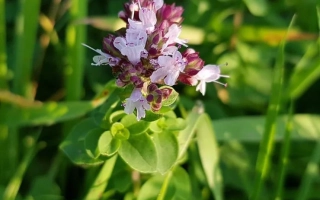
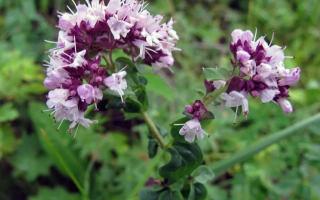
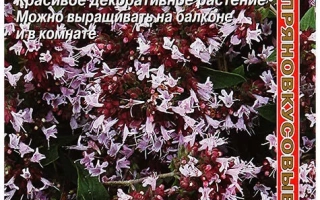
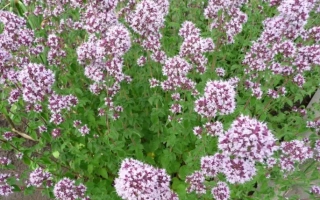
The standout feature of 'Nadezhda' is its exceptionally high essential oil concentration. The aromatic profile is genetically fixed, ensuring a potent fragrance profile that makes it highly prized in both culinary and therapeutic applications. The distinct violet hue of the inflorescences serves as an indicator of anthocyanin accumulation, which correlates with the synthesis of key volatile secondary metabolites responsible for its signature spicy scent.
Applications and Utility
- Culinary: Due to its high terpene content, the foliage and flowers retain their properties well when dried, making them an excellent choice for seasoning meats, sauces, and stews.
- Medicinal: The cultivar exhibits the traditional pharmacopeial properties of common oregano, serving as a reliable base for anti-inflammatory infusions and herbal remedies.
- Tea Blends: 'Nadezhda' maintains its aromatic integrity post-dehydration, making it a professional-grade component for complex herbal tea formulations.
Opting for 'Nadezhda' seeds ensures a predictable output in terms of aromatic intensity and genetic purity. Agrofirma Poisk’s strict quality control protocols ensure that the harvest meets standardized morphological requirements, providing a reliable foundation for the cultivation of perennial herbs.
Video · 2 videos
Suggest a video →Crop & resistance
Crop
Specifications
| Herbs | |
|---|---|
| Type | |
| Aromaticity | |
| Usage | |
| Flower Color | |
| Registration year | 2012 |
| Catalog | Catalog → Oregano |
| Manufacturer | Агрофирма Поиск |
| Legal data |
Show · 4
|
| Country | Russia |
Not yet комментариев. Be the first!





See also
Often considered together with this variety






Recently viewed
Products you’ve viewed on this site
Reviews · 0