


SKU #65066
·
47 views
PROGRESS
Oats
User rating
0 votes0% positive reviews
No ratings yet — be the first.
Ripeness Group (days)
Medium-maturing (95-110)
Mass of 1000 seeds (g)
28-32
Protein (%)
12-13
Grain-oriented
Feed
About product

Fodder variety with high protein value and genetic resistance to stem smut.
Ripeness Group (days)
Medium-maturing (95-110)
Mass of 1000 seeds (g)
28-32
Protein (%)
12-13
Grain-oriented
Feed
Description
Technical Parameters of Progress Oat
The breeding work conducted by the Omsk Agrarian Scientific Center focuses on developing highly adaptive varieties for challenging climatic zones. The "Progress" variety is the result of focused trait stabilization, critical for fodder production in regions with significant pathogen risks.
Biochemical Profile and Grain Morphology
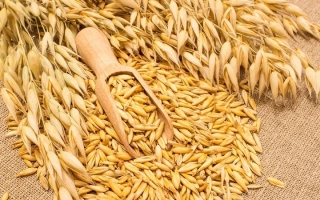
The thousand-grain weight (TGW) ranges from 28 to 32 grams. For feed-grade production, this represents an optimal balance between the husk and endosperm, ensuring high digestibility. A protein content of 12–13% classifies this variety as a high-quality base for formulating balanced livestock and poultry rations.
Technological Immunity
The key engineering advantage of the Progress variety is its resistance to stem smut. In an agronomic cycle, this translates to reduced costs for seed fungicide treatments and prevents yield losses during the vegetative growth phase. The variety's genetic architecture is designed to minimize the stress impact of pathogens on the plant's stem system.
Agronomic Timing
As a mid-season variety (95–110 days), it efficiently utilizes the growing season in Siberian conditions and similar environments. This growth window ensures the accumulation of essential nutrients before the onset of autumn cooling, guaranteeing stable grain quality at harvest.
Crop & resistance
Crop
Disease resistance
Specifications
| Ripeness Group (days) | Medium-maturing (95-110) |
|---|---|
| Mass of 1000 seeds (g) | 28-32 |
| Protein (%) | 12-13 |
| Grain-oriented | |
| Usage Type | |
| Registration year | 2015 |
| Catalog | Catalog → Oats |
| Legal data |
Show · 12
|
| Country | Russia |
Store offers
Prices are updated on loadLoading offers…
Aggregator catalog: prices are collected automatically from store websites, normalized by AI and converted at the current exchange rate. Before ordering, confirm the price and availability on the store's website. This block is not indexed by search engines — the data is loaded after the page opens.
Not yet комментариев. Be the first!




See also
Often considered together with this variety




Recently viewed
Products you’ve viewed on this site
Reviews · 0