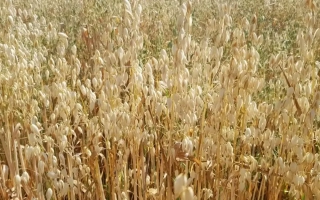
Winter oats of the Oshthen variety are a medium-maturity crop developed through hybridization and multiple individual selection at the Adygea State Agrarian Scientific Research Institute. The variety name is derived from Oshthen mountain. This variety is recommended for grain and green fodder cultivation, especially under the climatic conditions of the Republic of Adygea and the North Caucasus region. The vegetative period lasts 225-265 days, and ripening occurs simultaneously with the Mezmay variety.
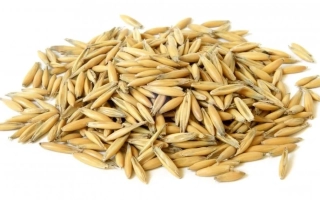
The plant is tall with a two-sided drooping panicle and drooping spikelets. Leaf and stem node awniness is moderate, while leaf sheath awniness is weak. Panicle and lower floral glumes are short, covered with a waxy coating, and have moderate awniness. The mass of 1000 grains varies from 27 to 32 grams, and protein content ranges from 12.8% to 13.4%. The variety demonstrates moderate resistance to lodging and winter hardiness comparable to the standard, as well as high resistance to bacterial leaf spot and powdery bunt.
The yield stability and high productivity of the Oshthen variety stand out. Average grain yield reaches 25.6 centners per hectare, exceeding regional standards, while maximum values can reach 50.4 centners per hectare. Average dry matter yield is approximately 69.5 centners per hectare, with maximum values reaching 121.6 centners. Due to its characteristics and adaptation to the regional climate, the Oshthen variety is a reliable choice for agricultural production in the North Caucasus region.