
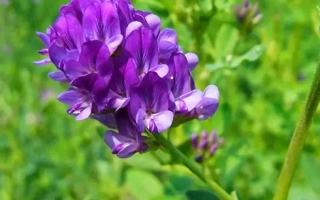


SKU #68674
·
41 views
MIRA
Lucerne
User rating
0 votes0% positive reviews
No ratings yet — be the first.
Plant Height
60-100
Registration year
1999
About product

A resilient, high-yield alfalfa variety engineered for superior resistance to core agricultural pathogens.
Plant Height
60-100
Registration year
1999
Description
Optimizing Forage Yield with Superior Disease Resistance
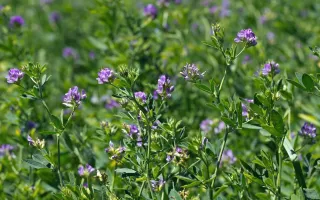
The 'Mira' alfalfa variety, developed by the Williams FRC for Fodder Crops, is designed to serve as a cornerstone for high-yield forage production. In modern agricultural practice, where soil-borne pathogens like Fusarium wilt and bacterial wilt represent significant threats to crop longevity, 'Mira' provides a robust biological defense system, ensuring consistent biomass output over multiple years.
Operational Utility and Field Performance
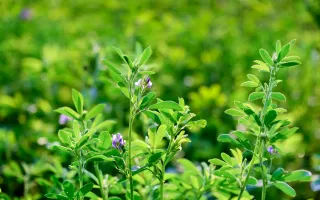
- Optimized Harvesting Profile: With a plant height ranging from 60–100 cm, 'Mira' is ideally suited for modern machinery. It provides enough structural volume for high-capacity harvesting while maintaining the leaf-to-stem ratio necessary for high-quality silage and hay production.
- Integrated Pest Management: The built-in resistance to anthracnose and various wilt diseases reduces the dependence on chemical intervention and provides a predictable recovery cycle after each cutting.
For farm managers, 'Mira' is a strategic asset when planning long-term pasture or hayfield operations. Its high recovery rate after mechanical harvest facilitates a rigorous multi-cut schedule during the growing season. By selecting this variety, producers choose stability in protein yield per hectare, directly impacting the economic efficiency of livestock operations that rely on self-produced, high-nutrient alfalfa feed.
Crop & resistance
Crop
Disease resistance
Specifications
| Plant Height | 60-100 |
|---|---|
| Registration year | 1999 |
| Catalog | Catalog → Lucerne |
| Legal data |
Show · 1
|
| Country | Russia |
Store offers
Prices are updated on loadLoading offers…
Aggregator catalog: prices are collected automatically from store websites, normalized by AI and converted at the current exchange rate. Before ordering, confirm the price and availability on the store's website. This block is not indexed by search engines — the data is loaded after the page opens.
Not yet комментариев. Be the first!
Alternatives
Alfalfa seeds · similar varieties


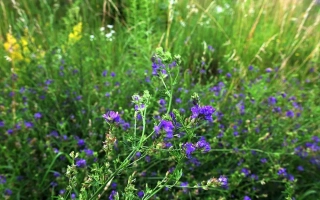


See also
Often considered together with this variety

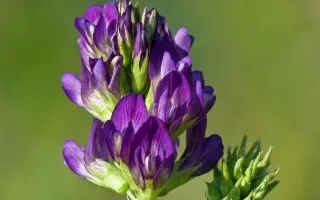


Recently viewed
Products you’ve viewed on this site
Reviews · 0