


Prices in stores
No offers yet — stores have not added prices for this product yet.
Similar varieties with prices
-
RelaxDLF
from 1.12 €
-
 ExquiseCAUSSADE SEMENCES
from 9.5 €
ExquiseCAUSSADE SEMENCES
from 9.5 €
-
 RachelCAUSSADE SEMENCES
from 3.16 €
RachelCAUSSADE SEMENCES
from 3.16 €
-
 Rosana
from 4.94 €per 1 kg
Rosana
from 4.94 €per 1 kg
Plant Height
80-92
Registration year
2016
Your mark
0 votes
0% positive ratings
About product
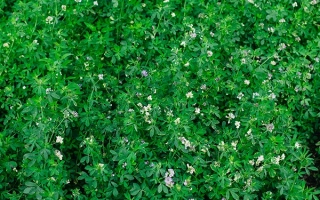
A reliable, high-yielding alfalfa variety with strong immunity against common fungal diseases.
Description
Stable yields in challenging environments
Dakota alfalfa by Northstar Seeds is the choice for producers focused on high-quality hay and haylage with minimal risk of crop loss due to disease. Originator Great Plains Research Company prioritized phytosanitary resistance, which is critical for regions with frequent moisture fluctuations that trigger fungal infections.
Practical application in crop rotation
The main task of this variety is intensive green mass production. A plant height of 80–92 cm allows for an optimal balance between biomass volume and nutrient quality. Agronomists choose Dakota for establishing long-term pastures or creating high-protein forage fields.
- Pathogen Protection: The variety shows reliable resistance to anthracnose, rust, and ascochyta. This allows for reduced fungicide applications and lowers the risk of premature leaf drop, where the majority of the protein is concentrated.
- Usage Pattern: Due to rapid regrowth after each cutting, the crop fits perfectly into intensive use cycles (3–4 cuttings per season).
- Agronomy: The stable stand height simplifies the operation of mowers and balers, ensuring an even cut without excessive losses during collection.
By investing in American-bred seeds from Northstar Seeds, farmers achieve a predictable result: a robust stand, high leafiness, and a forage unit that retains its nutritional value even under unfavorable phytopathological conditions.
Crop & resistance
Crop
Disease resistance
Specifications
| Plant Height | 80-92 |
|---|---|
| Registration year | 2016 |
| Catalog | Catalog → Lucerne |
| Manufacturer | NORTHSTAR SEEDS |
| Legal data |
Show · 2
|
| Country | USA |
No reviews yet. Be the first to share your experience.
Alternatives
Alfalfa seeds · similar varieties


See also
Often considered together with this variety


Recently viewed
Products you’ve viewed on this site
Reviews