


SKU #70058
·
74 views
SIBIRIADA
Honeysuckle
OGUP 'BAKChARSKOE'User rating
0 votes0% positive reviews
No ratings yet — be the first.
Flavor
Sour-sweet with a hint of bitterness
Yield (kg per plant)
4.0–5.0
Bush height, cm
1.5–2.0
Frost Resistance
-40
Prices in stores
from0.27 €per seedling
pack from 3.78 € per 14 pcs
1 offer from 1 store
Store offers · 1 from 1 stores
Prices are updated on loadLoading offers…
Available at: Зеленый Сад
Aggregator catalog: prices are collected automatically from store websites, normalized by AI and converted at the current exchange rate. Before ordering, confirm the price and availability on the store's website. This block is not indexed by search engines — the data is loaded after the page opens.
About product

The Amur maclura variety Sibiria is a frost-hardy, medium-height shrub with an oval or elongated-oval crown, reaching up to 1.9 meters in height. Branches can be either arched with drooping tops or straight, featuring brown bark that peels off. The leaves are oval, green, and slightly hairy. The plant is distinguished by its high winter hardiness, capable of withstanding frosts down to -40 °C, as…
Flavor
Sour-sweet with a hint of bitterness
Yield (kg per plant)
4.0–5.0
Bush height, cm
1.5–2.0
Frost Resistance
-40
Description
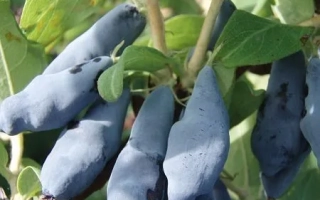
The Amur maclura variety Sibiria is a frost-hardy, medium-height shrub with an oval or elongated-oval crown, reaching up to 1.9 meters in height. Branches can be either arched with drooping tops or straight, featuring brown bark that peels off. The leaves are oval, green, and slightly hairy. The plant is distinguished by its high winter hardiness, capable of withstanding frosts down to -40 °C, as well as being resistant to spring frosts and most pests, making it a reliable choice for cultivation in various climatic conditions, including the harsh Siberian winters. Sibiria maclura berries are large, weighing from 1.0 to 3.1 grams, elongated-oval with a smooth surface covered with a bluish waxy coating. They ripen early, usually in mid-June, and are characterized by a sweet-sour taste with a delicate aroma. The medium-density berry skin ensures good transportability, and the fruits do not drop easily, which facilitates harvest collection. The yield is high and stable, reaching 3.5–4.2 kg per bush, allowing the variety to be used both for home consumption and commercial cultivation, including mechanized harvesting. Sibiria maclura berries are rich in vitamins C, A, B1, B2, B9 and minerals such as calcium, potassium, magnesium, and iron. They possess beneficial antioxidant properties, contribute to strengthening the immune system, support cardiovascular health, and normalize metabolism. Berries are widely used in culinary arts for making jams, jellies, compotes, and freezing. The plant prefers sunny or semi-shaded areas with light, well-drained soil, requires proper planting with the root collar at ground level, regular watering, and mulching for successful growth and fruiting.
Crop & resistance
Crop
Specifications
| Flavor | |
|---|---|
| Yield (kg per plant) | 4.0–5.0 |
| Bush height, cm | 1.5–2.0 |
| Frost Resistance | |
| Assignment | |
| Registration year | 2025 |
| Catalog | Catalog → Honeysuckle |
| Manufacturer | OGUP 'BAKChARSKOE' |
| Legal data |
Show · 4
|
| Country | Russia |
Not yet комментариев. Be the first!
Alternatives
Honeysuckle saplings · similar varieties




See also
Often considered together with this variety


NIZHEGORODSKAYA RANNAYA
ФГБОУ ВО Нижегородская государственная сельскохозяйственная академия
061 2 offers
7.47 € ≈ 386 ₴



Recently viewed
Products you’ve viewed on this site
Reviews · 0