


Prices in stores
from2.35 €per seedling
pack from 2.35 € per 1 pcs
15 offers from 13 stores
Berry Weight
1.0–1.5
Flavor
Sour-sweet
Yield (kg per plant)
1.5–2.5
Bush height, cm
1.2–1.5
Your mark
0 votes
0% positive ratings
Store offers · 15 from 13 stores
15 offers in 13 stores — from 2.35 € per seedling.
Available at: AgronomVIP · Biosad · Добродар · Экосад · fittonia-ru · moscow-garden24-ru · Панські Сади · plodovyimir-ru · rastimprosto-ru · Sadokshop · Sadovnik-sam · sadsazhay-by · zelionii-dvorik-ru
Prices are collected automatically from store websites and converted at the current exchange rate. Check the price and availability on the store website before ordering.
Description
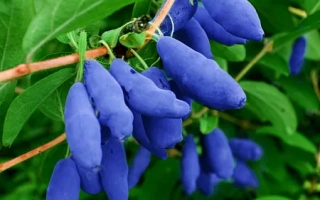
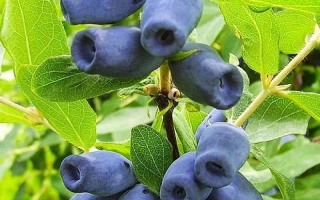
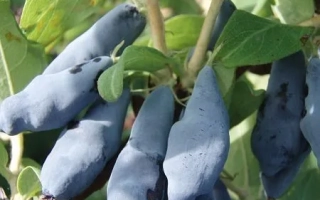
Blue Verteno honeysuckle is a high-yielding early-ripening variety with large berries of elongated verteno shape in a rich blue color with a bluish waxy bloom. Fruits weigh from 0.9 to 1.5 grams and reach up to 3 centimeters in length. The berry pulp is juicy, tender, with a sweet-sour taste and pleasant aroma, although in the absence of moisture the taste may acquire bitter shades. The skin is thin but dense, ensuring good fruit preservation. Berries ripen in early to mid-June, with a yield of up to 1.5–2.5 kg per bush, and up to 6 kg with stable fruiting. Blue Verteno honeysuckle bushes are medium-sized, compact, with a rounded or spherical crown, ranging from 0.8 to 1.5 meters in height. Leaves are large, elongated-oval, dark green, and branches on the sunny side may have reddish-anticyan shades. The plant is distinguished by high frost resistance down to -45…-50 °C, drought resistance, and resistance to diseases and pests. The variety is self-sterile, so for fruiting, pollinators such as varieties Zolushka, Kamchadalca, Sinyaya Ptitsa, Tomichka, and Morena must be planted nearby. Fruiting begins in the 2–4th year after planting, and the lifespan of the bush can reach 30 years. Care for Blue Verteno honeysuckle is not complicated: the plant is undemanding, but to maintain high-quality berries, regular watering is recommended during the fruit ripening period. The harvest is collected gradually, as berries tend to drop off after ripening. Due to its characteristics, the variety is suitable for growing in various climatic conditions, providing a stable and abundant harvest of tasty and healthy berries.
Video · 9 videos
Suggest a video →Crop & resistance
Crop
Specifications
| Berry Weight | 1.0–1.5 |
|---|---|
| Flavor | |
| Yield (kg per plant) | 1.5–2.5 |
| Bush height, cm | 1.2–1.5 |
| Frost Resistance | |
| Registration year | 1989 |
| Catalog | Catalog → Honeysuckle |
| Manufacturer | FANCA |
| Legal data |
Show · 1
|
| Country | Russia |
No reviews yet. Be the first to share your experience.
Alternatives
Honeysuckle saplings · similar varieties




See also
Often considered together with this variety



NIZHEGORODSKAYA RANNAYA
FSBEI HE Nizhny Novgorod State Agricultural Academy
061 2 offers
8.07 € ≈ 411 ₴



Recently viewed
Products you’ve viewed on this site
Reviews