

SKU #48469
·
57 views
Rodzinka
Daylily
User rating
0 votes0% positive reviews
No ratings yet — be the first.
Plant Height
50
Flower diameter, cm
15
Flower Color
Burgundy, Orange
Flower Type
Single, Double
Store offers · 1 from 1 stores
Prices are updated on loadLoading offers…
Available at: Пролісок
Aggregator catalog: prices are collected automatically from store websites, normalized by AI and converted at the current exchange rate. Before ordering, confirm the price and availability on the store's website. This block is not indexed by search engines — the data is loaded after the page opens.
About product

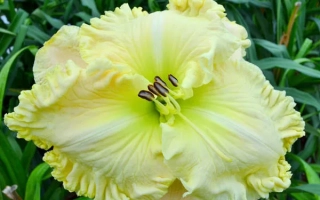
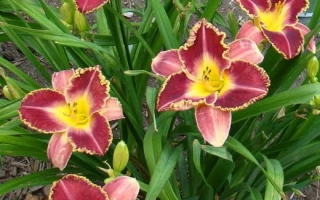
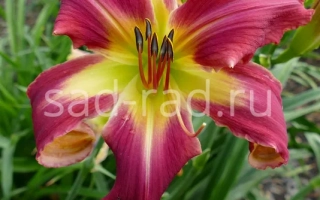
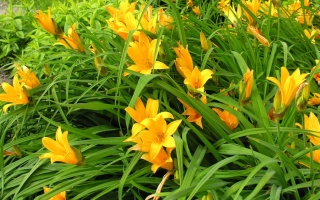
Rhodinia — a perennial decorative plant that will become a bright and eye-catching detail of your garden. This variety is characterized by medium-sized flowers with a simple shape and slightly double structure due to the arrangement of petals in several rows. The flowers have a noble burgundy color with an orange throat in the center and a ruffled cream-colored edge, giving them an elegant and ric…
Plant Height
50
Flower diameter, cm
15
Flower Color
Burgundy, Orange
Flower Type
Single, Double
Description
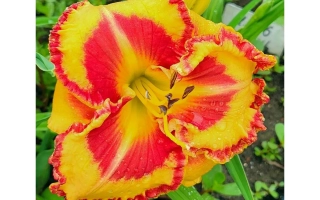
Rhodinia — a perennial decorative plant that will become a bright and eye-catching detail of your garden. This variety is characterized by medium-sized flowers with a simple shape and slightly double structure due to the arrangement of petals in several rows. The flowers have a noble burgundy color with an orange throat in the center and a ruffled cream-colored edge, giving them an elegant and rich appearance. The plant reaches a height of 50 cm, and the flower diameter is about 15 cm. The leaves have a deep green color, and the flowering period occurs in July and August, allowing you to enjoy the beauty of the flowers during the height of summer. Rhodinia, to which this variety belongs, are hardy perennials originating from China and Japan. They are distinguished by high frost resistance and low maintenance requirements, making them ideal for cultivation in various climatic conditions. The plants form densely foliated bushes and can grow in the same location for up to 20 years without needing to be transplanted. Rhodinia tolerates both bright sunlight and partial shade, preferring fertile, well-drained soils enriched with compost. Thanks to these qualities, they are excellent for decorating gardens, flowerbeds, as well as for growing in pots on terraces and balconies. For successful cultivation of Rhodinia, it is recommended to plant in spring in a prepared hole of approximately 40x40 cm with nutrient-rich substrate. The rhizome should be placed at a depth of about 10 cm, ensuring that the root neck remains at soil level. Mature plants require a minimum space of 50x50 cm, so spacing should be considered for proper placement. Care for Rhodinia includes regular weeding, occasional feeding, and watering during dry periods, especially in summer when sufficient watering once a week is needed. Fertilization is carried out twice: in spring with nitrogen fertilizers for active growth and after flowering with potassium and phosphorus fertilizers to strengthen the plant. Rhodinia withstands winter well, but for additional protection, it is recommended to mulch the soil with peat or cover it with a layer of fallen leaves in autumn.
Crop & resistance
Crop
Specifications
| Plant Height | 50 |
|---|---|
| Flower diameter, cm | 15 |
| Flower Color | |
| Flower Type | |
| Cold Resistance | |
| Lighting Requirements | |
| Assignment | |
| Registration year | 2017 |
| Catalog | Catalog → Daylily |
| Legal data |
Show · 1
|
| Country | Ukraine |
Not yet комментариев. Be the first!



See also
Often considered together with this variety




Recently viewed
Products you’ve viewed on this site
Reviews · 0