


SKU #44844
·
36 views
Remus
Lettuce
Rijk ZwaanUser rating
0 votes0% positive reviews
No ratings yet — be the first.
Color
Dark Green
Head / Rosette; weight
Big
Maturation Period
Late
Registration year
2008
About product

A reliable late-maturing variety with strong genetic protection against powdery mildew and aphids.
Color
Dark Green
Head / Rosette; weight
Big
Maturation Period
Late
Registration year
2008
Description
Professional Lettuce Production: Remus by Rijk Zwaan
The Remus variety, developed by the Dutch seed giant Rijk Zwaan, is a strategic choice for growers targeting late-season production. Designed specifically for outdoor cultivation, this variety excels in operational environments where consistency and resilience to environmental stressors are critical for commercial success.
Practical Advantages for Farm Management
- Disease Resistance: The variety features robust resistance to powdery mildew and lettuce aphid. This genetic trait allows farmers to significantly reduce their reliance on chemical crop protection, ensuring cleaner produce and lower operational costs.
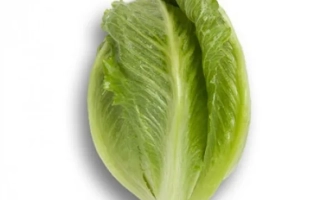
- High-Yield Characteristics: Remus forms large, dense, dark-green heads. This uniformity is a major advantage for commercial harvest operations, enabling efficient manual or mechanical harvesting and minimizing sorting time.
- Logistics and Shelf Life: Due to its specific morphology and strong leaf structure, the harvested product withstands transport well, making it a reliable candidate for long-distance distribution and demanding retail chains.
Incorporating Remus into your production cycle allows for a smoother transition at the end of the season. As a late-maturing variety, it effectively fills the market gaps when early varieties have already been cleared. Optimal results are achieved through consistent irrigation and standard intensive crop management practices, ensuring the plant reaches its full potential in terms of mass and color intensity.
Crop & resistance
Disease resistance
Pest resistance
Specifications hover over for a hint about the specification
|
Color
Color
The leaf color may vary in light-, dark-, gray-green shades with yellow, red, brown or purple pigmentation. |
|
|---|---|
| Head / Rosette; weight | |
|
Maturation Period
Maturation Period
Vegetation period from emergence to technical maturity 30-50 days. |
Late |
| Registration year | 2008 |
| Catalog | Catalog → Lettuce |
| Manufacturer | Rijk Zwaan |
| Legal data | |
| Country | Netherlands |
Store offers
Prices are updated on loadLoading offers…
Aggregator catalog: prices are collected automatically from store websites, normalized by AI and converted at the current exchange rate. Before ordering, confirm the price and availability on the store's website. This block is not indexed by search engines — the data is loaded after the page opens.
Not yet комментариев. Be the first!
Alternatives
Lettuce seeds · similar varieties




See also
Often considered together with this variety





Recently viewed
Products you’ve viewed on this site
Reviews · 0