
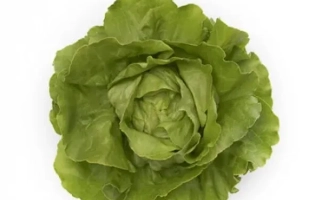

SKU #63965
·
33 views
MARADON
Lettuce
Vilmorin-MikadoUser rating
0 votes0% positive reviews
No ratings yet — be the first.
Plant Type
Batavia
Head / Rosette; weight
Big
Maturation Period
Early
Recommended Density
90-100 thousand pcs/ha
About product

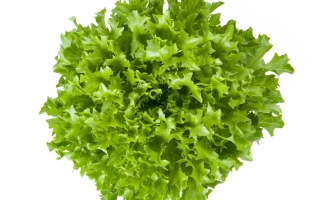
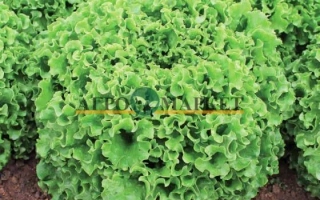
Salad Maradon is an early semi-head variety of the Batavia type, intended for cultivation in the spring, summer, and autumn periods. The plant forms a rosette with a diameter and height of about 28-30 cm, featuring large, bright green, thick, and blistered leaves that have a pleasant taste and crunchy texture. The medium green color of the leaves with a sheen gives the salad an attractive appearan…
Plant Type
Batavia
Head / Rosette; weight
Big
Maturation Period
Early
Recommended Density
90-100 thousand pcs/ha
Description
Salad Maradon is an early semi-head variety of the Batavia type, intended for cultivation in the spring, summer, and autumn periods. The plant forms a rosette with a diameter and height of about 28-30 cm, featuring large, bright green, thick, and blistered leaves that have a pleasant taste and crunchy texture. The medium green color of the leaves with a sheen gives the salad an attractive appearance, making it an excellent choice for use in fresh vegetable salads and as a side dish for meat dishes. The variety is suitable for cultivation in both soil substrates and hydroponics.
Maradon is distinguished by good resistance to major salad diseases, including fusarium and leaf mosaic virus, and has a medium level of resistance to downy mildew and aphids. This ensures a stable yield and reduces the need for intensive plant protection. The yield of the variety reaches 4.6 kg per square meter, making it profitable for commercial cultivation. The plant adapts well to various lighting conditions and can grow with any photoperiod.
For successful cultivation of Maradon salad, loose, permeable, and well-moistened soil is recommended. The optimal temperature for growth is +15…20 °C. Sowing is done in furrows 1 cm deep with a distance of 15–20 cm between rows, at a sowing rate of 9–11 plants per square meter. Care includes regular but moderate watering, especially in hot weather, as well as fertilizing with organic fertilizers before sowing and during head formation. To protect against diseases and pests, it is important to control humidity, remove affected plants, and ensure drainage on wet areas, which helps prevent rot and slug damage.
Maradon is distinguished by good resistance to major salad diseases, including fusarium and leaf mosaic virus, and has a medium level of resistance to downy mildew and aphids. This ensures a stable yield and reduces the need for intensive plant protection. The yield of the variety reaches 4.6 kg per square meter, making it profitable for commercial cultivation. The plant adapts well to various lighting conditions and can grow with any photoperiod.
For successful cultivation of Maradon salad, loose, permeable, and well-moistened soil is recommended. The optimal temperature for growth is +15…20 °C. Sowing is done in furrows 1 cm deep with a distance of 15–20 cm between rows, at a sowing rate of 9–11 plants per square meter. Care includes regular but moderate watering, especially in hot weather, as well as fertilizing with organic fertilizers before sowing and during head formation. To protect against diseases and pests, it is important to control humidity, remove affected plants, and ensure drainage on wet areas, which helps prevent rot and slug damage.
Crop & resistance
Disease resistance
Pest resistance
Specifications hover over for a hint about the specification
| Plant Type | |
|---|---|
| Head / Rosette; weight | |
|
Maturation Period
Maturation Period
Vegetation period from emergence to technical maturity 30-50 days. |
Early |
|
Recommended Density
Recommended Density
Optimal productivity is achieved at a planting density of 4000-5500 plants/ha. Possible planting scheme: 300-500x40-80 cm. |
90-100 thousand pcs/ha |
| Registration year | 2019 |
| Catalog | Catalog → Lettuce |
| Manufacturer | Vilmorin-Mikado |
| Legal data |
Show · 2
|
| Country | France |
Store offers
Prices are updated on loadLoading offers…
Aggregator catalog: prices are collected automatically from store websites, normalized by AI and converted at the current exchange rate. Before ordering, confirm the price and availability on the store's website. This block is not indexed by search engines — the data is loaded after the page opens.
Not yet комментариев. Be the first!
Alternatives
Lettuce seeds · similar varieties




See also
Often considered together with this variety




Recently viewed
Products you’ve viewed on this site
Reviews · 0