Product catalog
Loading...
Loading...
Loading...
Loading...


| Diseases |
Viruses
Yellowing and leaf curl viruses
Mosaic viruses
Canker and wart diseases
Potato wart disease
Late blight
Late blight
|
|---|---|
| Direction | Table Potato |
| Beginning of fruiting | 65-75 days |
| Starch Content | 12-13% |
| Corm; mass | 50-130 grams |
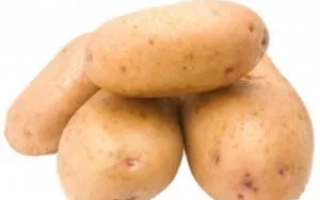
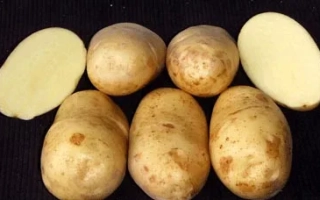
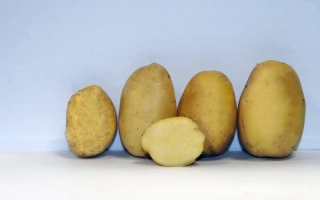
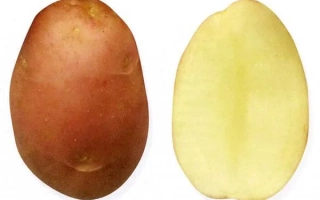
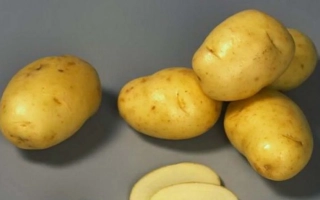
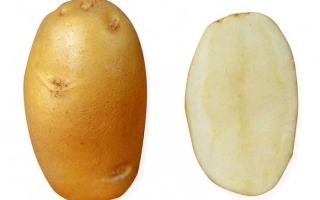
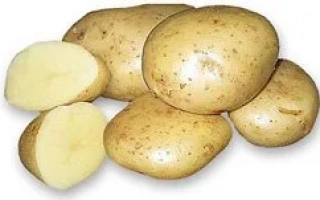
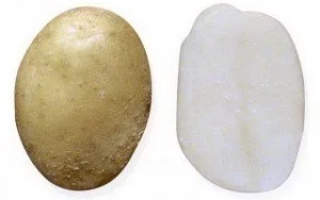
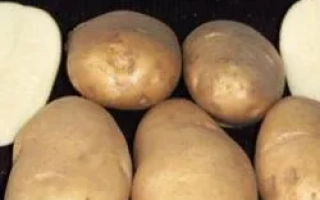
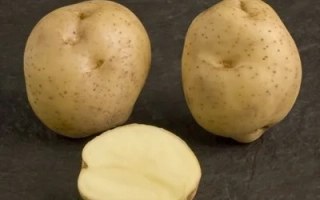
| Corm; shape | Oval elongated |
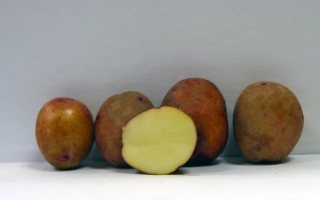
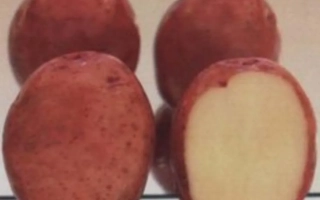
| Corm; skin color | Yellow |
| Corm; flesh color | Creamy |
| Cormorant; eye depth | Surface |
| Corm; skin structure | Smooth |
| Country | Russia |
| Registration Year | 2009 |
| Catalog |
Varieties
Technical Crops
|
| Manufacturer |
Federal Research Center of Potato named after A.G. Lorch
Bryansk OS / FIC Potato Lorkh
Bryansk Breeding Station
|