


SKU #47526
·
73 views
Wepster
Hazelnut
Oregon State UniversityUser rating
0 votes0% positive reviews
No ratings yet — be the first.
Nut; Shape
Round
Registration year
2022
Store offers · 1 from 1 stores
Prices are updated on loadLoading offers…
Available at: TataSad
Aggregator catalog: prices are collected automatically from store websites, normalized by AI and converted at the current exchange rate. Before ordering, confirm the price and availability on the store's website. This block is not indexed by search engines — the data is loaded after the page opens.
About product

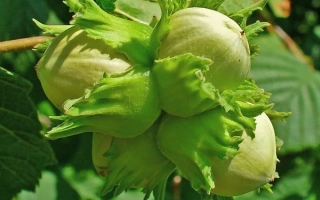
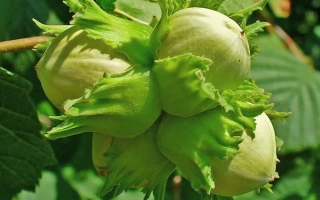
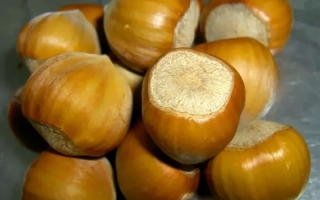
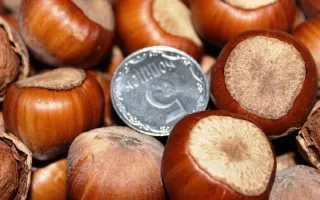
Wepster hazelnut is the result of selection by Oregon State University (USA), known by the code OSU 894.030. This variety is distinguished by high yield and small round kernels, making it especially popular in the chocolate industry. Due to its early fruiting and ability to serve as an excellent pollinator for other hazelnut varieties, Wepster is an excellent choice for cultivation both on an indu…
Nut; Shape
Round
Registration year
2022
Description
Wepster hazelnut is the result of selection by Oregon State University (USA), known by the code OSU 894.030. This variety is distinguished by high yield and small round kernels, making it especially popular in the chocolate industry. Due to its early fruiting and ability to serve as an excellent pollinator for other hazelnut varieties, Wepster is an excellent choice for cultivation both on an industrial scale and for private gardeners. The hazelnut kernel has a high yield — around 46% — and is well-suited for blanching, which is important for producing premium baked goods and confectionery items.
Trees of the Wepster variety are characterized by vigorous growth and ease of maintenance. They are resistant to common problems such as Eastern Filbert Blight (EFB) — a fungal disease caused by the fungus Anisogramma anomala, which affects hazelnuts and reduces yield. In addition, the variety is resistant to pests such as mites, significantly simplifying agricultural practices and reducing the need for chemical protection.
For propagation, Wepster is grown using cuttings 5-10 mm in diameter, usually supplied in bundles of 10 pieces. Despite temporary availability limitations, this material allows effective cultivation of new trees while preserving all variety characteristics. Overall, Wepster is a modern, high-yielding, and disease-resistant hazelnut variety, ideal for use in the food industry and private gardening.
Trees of the Wepster variety are characterized by vigorous growth and ease of maintenance. They are resistant to common problems such as Eastern Filbert Blight (EFB) — a fungal disease caused by the fungus Anisogramma anomala, which affects hazelnuts and reduces yield. In addition, the variety is resistant to pests such as mites, significantly simplifying agricultural practices and reducing the need for chemical protection.
For propagation, Wepster is grown using cuttings 5-10 mm in diameter, usually supplied in bundles of 10 pieces. Despite temporary availability limitations, this material allows effective cultivation of new trees while preserving all variety characteristics. Overall, Wepster is a modern, high-yielding, and disease-resistant hazelnut variety, ideal for use in the food industry and private gardening.
Crop & resistance
Disease resistance
Specifications
| Nut; Shape | |
|---|---|
| Registration year | 2022 |
| Catalog | Catalog → Hazelnut |
| Manufacturer | Oregon State University |
| Country | USA |
Not yet комментариев. Be the first!





See also
Often considered together with this variety





Recently viewed
Products you’ve viewed on this site
Reviews · 0