


SKU #47532
·
68 views
McDonald
Hazelnut
Oregon State UniversityUser rating
0 votes0% positive reviews
No ratings yet — be the first.
Nut; Shape
Round
Registration year
2022
Store offers · 1 from 1 stores
Prices are updated on loadLoading offers…
Available at: Waterlilia
Aggregator catalog: prices are collected automatically from store websites, normalized by AI and converted at the current exchange rate. Before ordering, confirm the price and availability on the store's website. This block is not indexed by search engines — the data is loaded after the page opens.
About product

The McDonald hazelnut variety was developed at Oregon State University in 2014 by crossing Tonda Pacifica and Santiam varieties. This variety is distinguished by its early maturity — nuts ripen approximately two weeks earlier than the Barcelona variety, which allows for reduced harvesting and drying costs. The plants are large and bushy with large or very large elliptical or round leaves, and the…
Nut; Shape
Round
Registration year
2022
Description
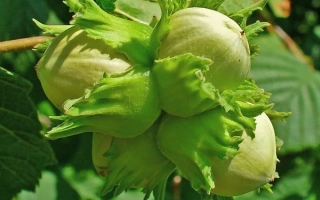
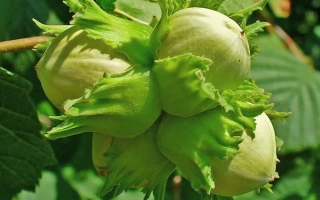
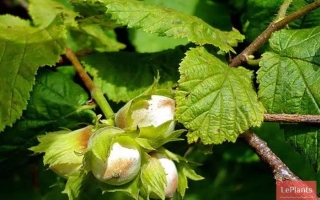
The McDonald hazelnut variety was developed at Oregon State University in 2014 by crossing Tonda Pacifica and Santiam varieties. This variety is distinguished by its early maturity — nuts ripen approximately two weeks earlier than the Barcelona variety, which allows for reduced harvesting and drying costs. The plants are large and bushy with large or very large elliptical or round leaves, and the trees have an open, upright canopy, ensuring good light penetration and air circulation.
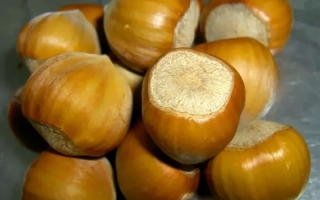
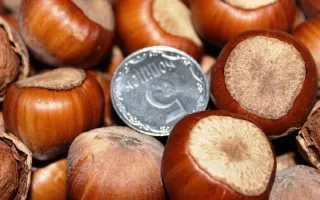
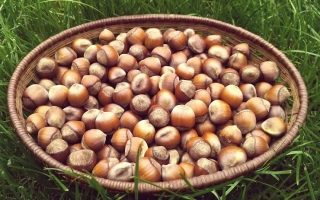
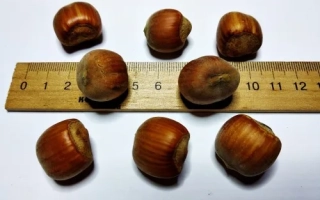
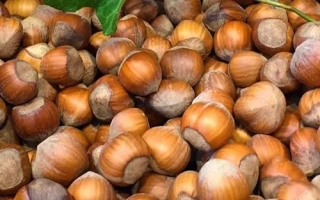
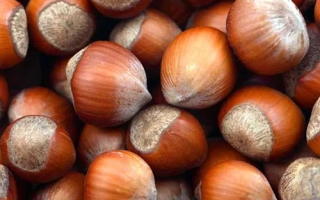
Nuts of the McDonald variety have a round shape, measuring up to 22 mm in height, 21 mm in width, and 19 mm in thickness. The shell is thin, reddish-brown with a glossy base and dark brown veins. Kernel yield is about 52%, which is considered high. The fruits exhibit stable high quality with minimal defects. The variety is resistant to low temperatures and diseases, including fungal disease EFB, and is low-maintenance.
McDonald is recommended for cultivation in various areas due to its high yield and excellent fruit quality. It blooms in mid-season and pairs well with other hazelnut varieties such as Wepster and York, which can serve as pollinators, enhancing yield and fruiting stability.
Nuts of the McDonald variety have a round shape, measuring up to 22 mm in height, 21 mm in width, and 19 mm in thickness. The shell is thin, reddish-brown with a glossy base and dark brown veins. Kernel yield is about 52%, which is considered high. The fruits exhibit stable high quality with minimal defects. The variety is resistant to low temperatures and diseases, including fungal disease EFB, and is low-maintenance.
McDonald is recommended for cultivation in various areas due to its high yield and excellent fruit quality. It blooms in mid-season and pairs well with other hazelnut varieties such as Wepster and York, which can serve as pollinators, enhancing yield and fruiting stability.
Crop & resistance
Disease resistance
Specifications
| Nut; Shape | |
|---|---|
| Registration year | 2022 |
| Catalog | Catalog → Hazelnut |
| Manufacturer | Oregon State University |
| Legal data |
Show · 5
|
| Country | USA |
Not yet комментариев. Be the first!





See also
Often considered together with this variety




Recently viewed
Products you’ve viewed on this site
Reviews · 0