


SKU #47535
·
77 views
THETA
Hazelnut
Oregon State UniversityUser rating
0 votes0% positive reviews
No ratings yet — be the first.
Nut; Fruit mass
2.0-2.5 grams
Registration year
2022
Store offers · 2 from 2 stores
Prices are updated on loadLoading offers…
Available at: КиївСад · Yablochko
Aggregator catalog: prices are collected automatically from store websites, normalized by AI and converted at the current exchange rate. Before ordering, confirm the price and availability on the store's website. This block is not indexed by search engines — the data is loaded after the page opens.
About product

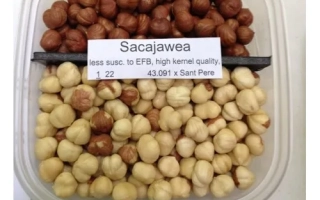
The THETA walnut is an American forest walnut variety developed in the state of Oregon. The nuts of this variety are small, weighing about 2.3 grams, with a kernel yield of 51%. The shell is medium-brown, and the fibers easily detach during blanching at 80%. The nut's placenta equals the length of the fruit, facilitating peeling. The taste and texture of the nuts are of high quality, with a minima…
Nut; Fruit mass
2.0-2.5 grams
Registration year
2022
Description
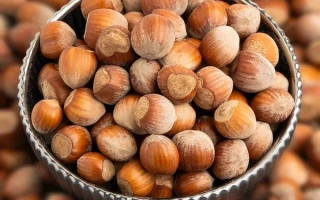
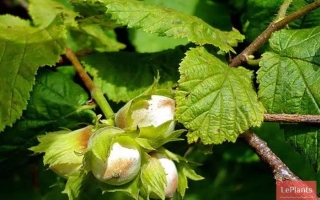
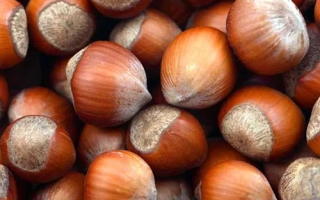
The THETA walnut is an American forest walnut variety developed in the state of Oregon. The nuts of this variety are small, weighing about 2.3 grams, with a kernel yield of 51%. The shell is medium-brown, and the fibers easily detach during blanching at 80%. The nut's placenta equals the length of the fruit, facilitating peeling. The taste and texture of the nuts are of high quality, with a minimal percentage of defective fruits. Ripening occurs approximately three days after the Barcelona variety. The tree exhibits vigorous vertical growth and moderate productivity. Flowering catkins are abundant, with high pollen viability, which is released late. The variety possesses very high resistance to eastern filbert moth and moderate resistance to pocket plum moth, and carries S5S15 incompatibility alleles. The THETA walnut is distinguished by high cold hardiness and resistance to various diseases, making it suitable for cultivation in diverse climatic conditions. The tree easily adapts to new sites and demonstrates high yield. The fruits have an attractive brown color and sweet taste, allowing for versatile culinary uses. Seedlings are supplied with substrate ensuring good transportability and survival during transplanting. This walnut variety combines the best qualities for both commercial and private cultivation. Vigorous growth and high pollen viability contribute to stable fruiting. Resistance to pests and diseases reduces the need for intensive plant protection, simplifying garden care. Thanks to excellent flavor and ease of processing, the THETA variety is a profitable choice for gardeners and nut producers.
Crop & resistance
Pest resistance
Specifications
| Nut; Fruit mass | 2.0-2.5 grams |
|---|---|
| Registration year | 2022 |
| Catalog | Catalog → Hazelnut |
| Manufacturer | Oregon State University |
| Country | USA |
Not yet комментариев. Be the first!




See also
Often considered together with this variety


Recently viewed
Products you’ve viewed on this site
Reviews · 0