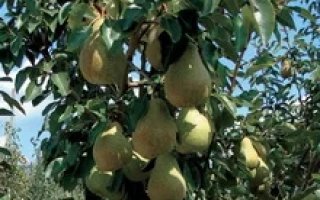
The 'Autumn of Bukovina' pear is a high-yielding autumn variety developed in 1975 at the Transnistrian Experimental Station. The trees are vigorous, with a broad pyramidal crown of medium density, moderate growth rate, and a slightly sparse canopy. The variety exhibits high winter hardiness, resistance to scab and bacterial leaf blight, and regular fruiting with high immunity. It requires the 'Bere Bosk' variety for pollination, as 'Autumn of Bukovina' is self-incompatible.
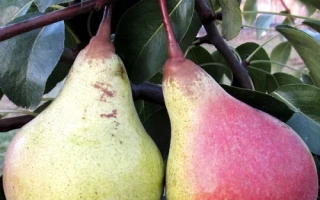
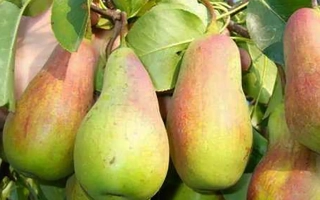
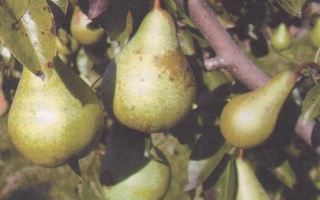
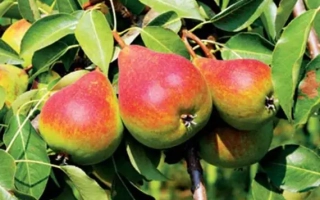
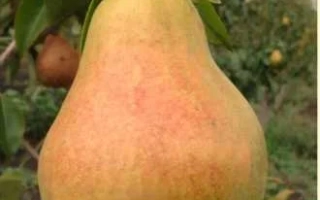
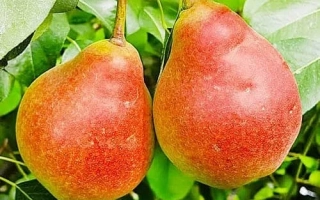
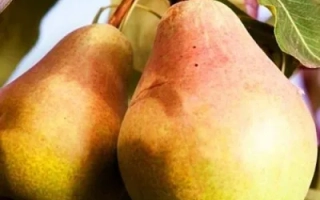
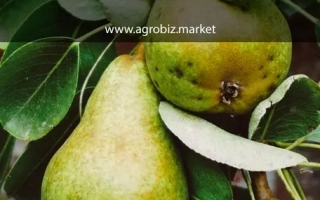
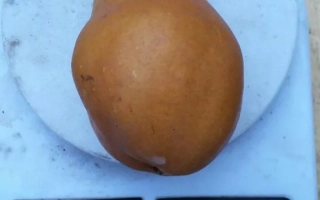
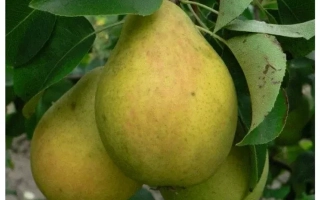
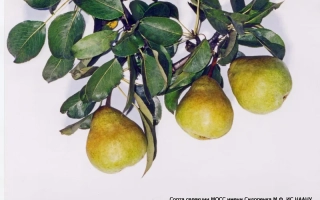
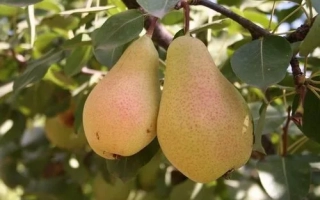
The fruits are large, weighing 200–450 grams, elongated-pear-shaped with a well-defined neck. The skin is thin, smooth, firm, intensely yellow with golden-brown russet tones and sometimes a faint pinkish-orange blush on the sun-exposed side. Numerous subcutaneous dots, light brown or golden-yellow, are barely noticeable. The flesh is creamy, juicy, tender, melting in the mouth, with a slightly tart-sweet flavor and mild aroma, confirmed by a high taste rating of 4.8–5 points. The fruits contain up to 16% sugars, approximately 3.5% pectin, fiber, proteins, malic and citric acids, vitamins, enzymes, mineral salts, and microelements.
Harvesting maturity occurs from mid-September to early October, with fruits ripening simultaneously and remaining firmly attached to the tree. Due to good transportability and ability to be stored in refrigerators until December, the fruits are suitable for long-term storage. They are versatile in use: suitable for fresh consumption, as well as for canning, processing, making jams, jellies, compotes, marmalades, and drying.