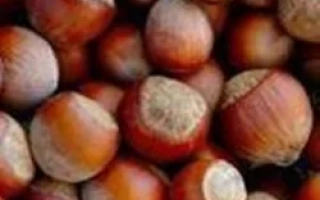
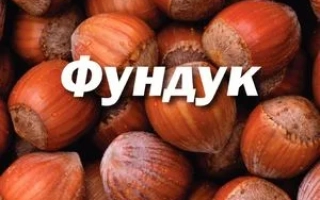
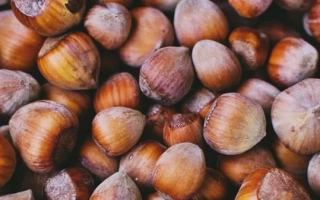
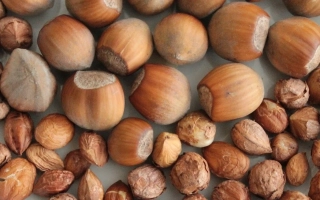
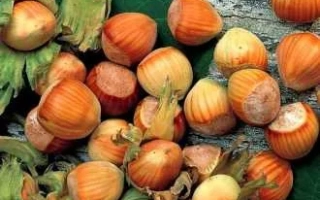
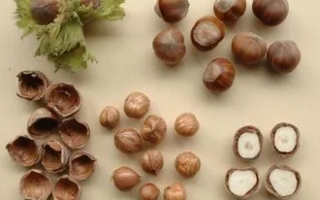
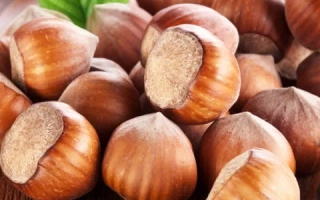
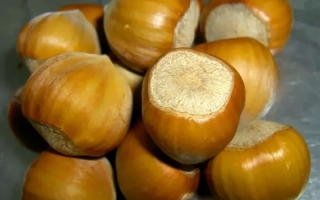
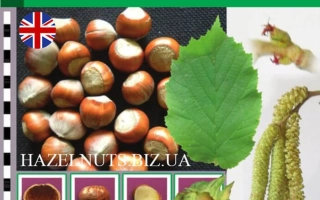
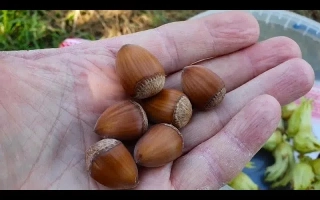
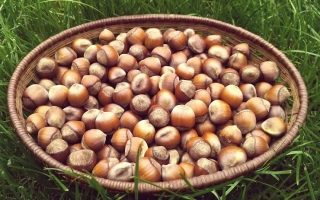
Hickory, also known as chestnut, features a variety of cultivars such as Barcelona, Webb's Centennial, Galley, Catalan, Cosford, Lambert, Sirena, Trapesund, and Masterpiece. These cultivars are characterized by high yield and resistance to adverse climatic conditions, including temperatures down to -30°C and drought. Hickory bushes are vigorous, reaching up to 4 meters in height, with large fruits weighing up to 4 grams, ripening from late September to early October. Propagation of seedlings is carried out by layering, which helps maintain cultivar characteristics.
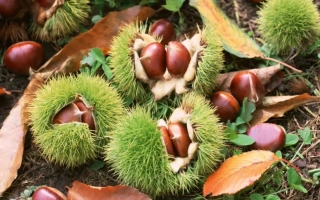
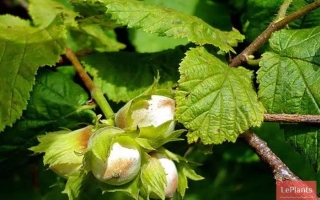
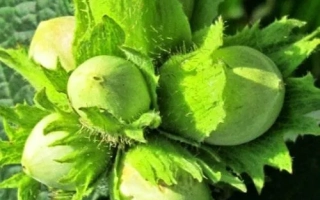
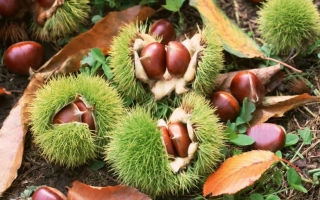
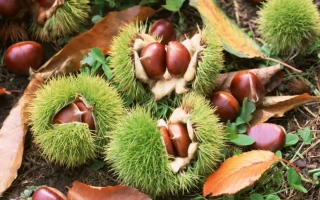
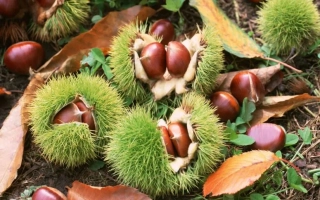
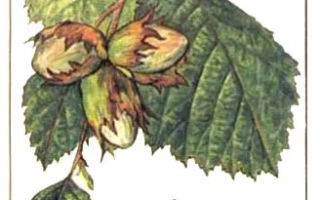
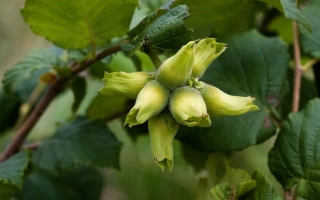
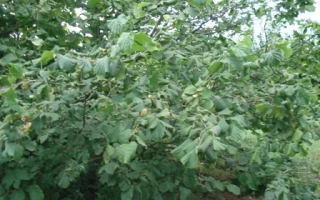
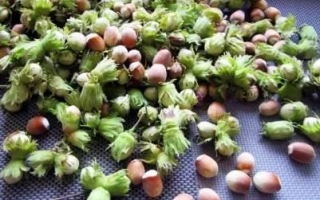
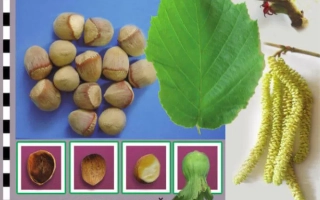
Chestnut is shade-tolerant and adaptable to various soil types, successfully growing on clay and sandy soils, and is not afraid of wind or frost. The plant prefers moist, fertile soils, forming a beautiful, lush crown with large leaves. Flowering begins early in spring, before leaf emergence, when golden staminate catkins up to 5 cm long appear on the bushes. Chestnut is monoecious, with both staminate and pistillate flowers present on the same bush. Fruits are oval or spherical, about 2 cm long, enclosed in a light-green, hairy husk. A single fruit cluster may contain up to 30 nuts, but usually contains 3-4 fruits. Chestnut flowers and bears fruit annually, making it a reliable source of harvest.
To maintain the health of hickory and chestnut plantations in the first three years after planting, soil should be treated with herbicides to control weeds. On plantations with grass cover between rows, regular mowing of the turf is necessary. Effective weed control involves herbicides such as Devrinol 450 SC, Reglone 200 SL, Agil 100 EC, Perenal 104 EC, and Targa Plus 05 EC, applied at dosages calculated per hectare. These measures help maintain optimal conditions for plant growth and fruiting.