


SKU #72133
·
57 views
Sainfoin Altair
Sainfoin
Prices in stores
No offers yet — stores have not added prices for this product yet.
Similar varieties with prices
-
SANDY 1251
from 1.79 €per 1 kg
-
 Adam
from 1.52 €per 1 kg
Adam
from 1.52 €per 1 kg
-
 SANDY 22
from 1.67 €per 1 kg
SANDY 22
from 1.67 €per 1 kg
-
 Yuzhnoukrainsky
from 1.39 €per 1 kg
Yuzhnoukrainsky
from 1.39 €per 1 kg
Usage Type
For feed
Green Mass Yield (t/ha)
40-60
Crude Protein Content, %
15-18
Seed Yield (t/ha)
8-12
Your mark
0 votes
0% positive ratings
About product
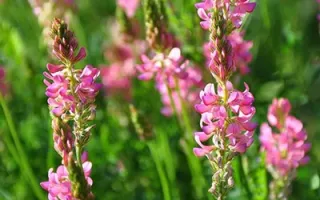
A reliable choice for livestock in arid regions, offering high protein content in green fodder.
Description
Focus on Drought Tolerance and Fodder Quality
Sainfoin 'Altair' is the result of a strategic partnership between leading Ukrainian agricultural research institutions. Developed by the Central Institute of Innovative Agro-Technologies, the Plant Breeding and Genetics Institute (National Center for Seed Science and Varietal Studies), and the Scientific Production Seed Company 'Agrosemtrans' in collaboration with Antaria, this variety was specifically designed for the arid steppe regions of Ukraine.
Unlike many traditional fodder crops, 'Altair' demonstrates exceptional environmental plasticity. It thrives in poor soil conditions and endures prolonged dry spells while maintaining a green mass yield of 40–60 tons per hectare. For livestock-focused operations, this variety provides a stable and high-quality feed supply regardless of unpredictable weather patterns.
Economic Value and Technical Specifications
- High Protein Potential: With a crude protein content ranging from 15% to 18%, 'Altair' serves as a nutrient-dense component in balanced animal diet programs.
- Reliable Seed Production: The seed yield ranges from 8–12 centners per hectare, with a 1000-seed weight of 20–25 grams, ensuring efficiency in sowing and crop management.
- Adaptability: Its natural drought resistance makes it a superior choice for high-risk farming zones where other fodder crops might fail.
By choosing 'Altair', farmers invest in more than just yield volume—they invest in quality and soil health. As a leguminous crop, it enhances soil structure by leaving behind significant amounts of organic nitrogen, serving as an excellent predecessor in any crop rotation. It is a comprehensive, future-proof solution for farmers seeking to balance high productivity with long-term agricultural sustainability.
Crop & resistance
Crop
Specifications
| Usage Type | |
|---|---|
| Green Mass Yield (t/ha) | 40-60 |
| Crude Protein Content, % | 15-18 |
| Seed Yield (t/ha) | 8-12 |
| Weight of 1000 seeds, g | 20-25 |
| Drought Resistance | |
| Registration year | 1996 |
| Catalog | Catalog → Sainfoin |
| Legal data |
Show · 5
|
| Country | Ukraine |
No reviews yet. Be the first to share your experience.


See also
Often considered together with this variety




Recently viewed
Products you’ve viewed on this site
Reviews