


Prices in stores
from2.01 €per 1 kg
pack from 0.03 € per pack
45 offers from 32 stores
Direction
Storage
Root: shape
Cylindrical
Registration year
1943
Your mark
0 votes
0% positive ratings
Store offers · 45 from 32 stores
45 offers in 32 stores — from 2.01 € per 1 kg.
Available at: Перший Оптовий · Agro-shop · agrocentrum-sk · Agroshop · agrosvitt-com-ua · Agroteka · Baza Proraba · Best Harvest · centr-sadovoda-ru · Dar Sad · dimsad-gorod-com · eladio-gal · feel-good-dp-ua · Flora Press · Gardensber · gradinamax-ua
Prices are collected automatically from store websites and converted at the current exchange rate. Check the price and availability on the store website before ordering.
About product
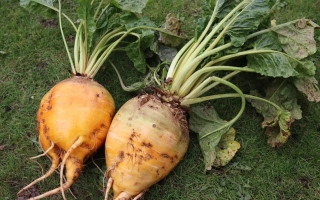
A proven German-bred fodder beet variety, highly regarded for its excellent storage life.
Description
Eckendorf Yellow: A Staple of Forage Reliability
In the competitive landscape of forage crop production, few varieties have maintained the sustained reputation of the "Eckendorf Yellow". Originating from the German breeding tradition represented by Von Borries Eck (FRG), this fodder beet has become synonymous with stability and consistency in livestock feeding programs.
Agronomic Strengths and Market Role
The core philosophy behind the Eckendorf Yellow is performance reliability over intensive inputs. Designed primarily for storage, the cylindrical root structure is not only a hallmark of the variety but also a practical necessity for efficient mechanical harvesting. For farmers looking to secure their winter feed inventory, this variety offers several distinct advantages:
- Exceptional storage capability: The variety maintains its nutritional integrity throughout the winter months.
- Mechanical efficiency: The root shape allows for easy extraction and sorting, reducing labor costs.
- Consistent output: It provides a predictable yield profile that stabilizes farm budgeting.
While the agricultural market is constantly flooded with new hybrids, the Eckendorf Yellow remains a preferred choice for producers who prioritize cost-effective, proven results. Through the expertise of the breeding programs involved, including the work by Von Borries Eck, this variety serves as a foundational crop. It provides a robust, reliable solution for livestock nutrition, ensuring that operations of all sizes can maintain high-quality feed standards even in the challenging winter season.
Video · 2 videos
Suggest a video →Specifications
| Direction | |
|---|---|
| Root: shape | |
| Registration year | 1943 |
| Catalog | Catalog → Feed Beet |
| Manufacturer | Borries EK (FRG) Background |
| Legal data |
Show · 7
|
| Country | Germany |
No reviews yet. Be the first to share your experience.




See also
Often considered together with this variety








Recently viewed
Products you’ve viewed on this site
Reviews