


SKU #72115
·
67 views
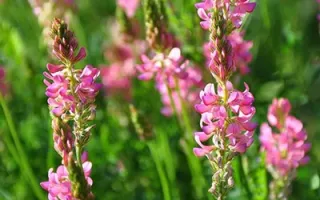
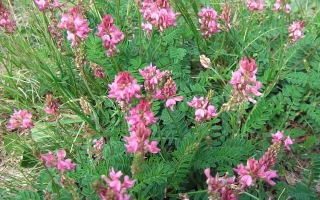
Sainfoin NORTHERN CAUCASIAN TWO-CUT
Sainfoin
User rating
0 votes0% positive reviews
No ratings yet — be the first.
Usage Type
On feed, Cover Crop
Drought Resistance
High
Registration year
1947
About product

A high-yielding sainfoin variety capable of delivering two full cuts even under dry conditions.
Usage Type
On feed, Cover Crop
Drought Resistance
High
Registration year
1947
Description
Optimizing Forage Yield in Arid Climates
The 'Severokavkazsky Dvoukosny' sainfoin, developed by the Agricultural Research Center 'Donskoy', is designed for agricultural enterprises aiming to secure a reliable feed supply in water-stressed environments. The defining feature of this variety is its ability to deliver two full cuts per season, providing a significant advantage in forage production efficiency compared to single-cut varieties.
Practical Applications and Field Scenarios
- Forage Production in Dry Conditions: With superior drought tolerance, this variety thrives where other legumes struggle. Its deep-reaching root system allows it to remain productive throughout the summer, ensuring a consistent supply of high-protein forage for livestock.
- Improving Soil Health (Green Manure): Serving as an excellent cover crop, 'Severokavkazsky Dvoukosny' acts as a biological soil builder. By incorporating its biomass into the soil, farmers can significantly improve soil structure and nitrogen content, making it an ideal precursor for winter wheat.
- Erosion Control: For farms managing sloped terrain, this sainfoin provides essential soil cover, preventing wind and water erosion while simultaneously serving as a productive grazing area.
For farm managers, selecting 'Severokavkazsky Dvoukosny' is a strategic choice for mitigating climate risks. Its rapid regeneration after the first harvest enables more efficient land use and consistent forage yields, even when precipitation levels are below average. It stands out as a balanced solution for both feed optimization and soil management programs.
Crop & resistance
Crop
Specifications
| Usage Type | |
|---|---|
| Drought Resistance | |
| Registration year | 1947 |
| Catalog | Catalog → Sainfoin |
| Legal data |
Show · 1
|
| Country | Russia |
Store offers
Prices are updated on loadLoading offers…
Aggregator catalog: prices are collected automatically from store websites, normalized by AI and converted at the current exchange rate. Before ordering, confirm the price and availability on the store's website. This block is not indexed by search engines — the data is loaded after the page opens.
Not yet комментариев. Be the first!





See also
Often considered together with this variety


Recently viewed
Products you’ve viewed on this site
Reviews · 0