


SKU #72126
·
65 views
VASILY
Sainfoin
North Caucasian FARCUser rating
0 votes0% positive reviews
No ratings yet — be the first.
Usage Type
On feed
Seed Yield (t/ha)
4-15
Drought Resistance
High
Registration year
2017
About product

A drought-resistant sainfoin variety offering superior nutritional value for livestock feed.
Usage Type
On feed
Seed Yield (t/ha)
4-15
Drought Resistance
High
Registration year
2017
Description
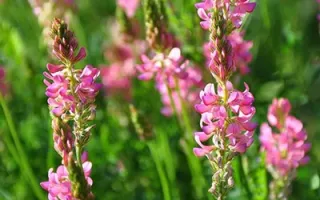
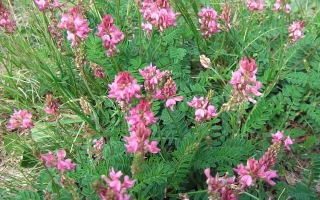
Sainfoin 'Vasily': Reliability in Arid Conditions
For farmers operating in regions prone to water scarcity, finding crops that balance yield stability with nutritional value is a top priority. Sainfoin variety 'Vasily', developed by the North Caucasian Federal Agricultural Research Center (SKFNAZ), is a breeding solution tailored for those who need to minimize environmental risks. Authored by V.A. Kravtsov and V.V. Kravtsov, this variety is engineered to produce high-quality fodder even under challenging climatic conditions.
Field Performance and Key Advantages
The standout feature of 'Vasily' is its exceptional drought resistance. Unlike many fodder crops that experience significant growth inhibition during dry spells, this variety maintains its vegetative vigor, making it a reliable pillar for forage rotation.
- Nutritional Value: Sainfoin is widely recognized as a premium legume forage. 'Vasily' provides high-quality protein, which is essential for livestock productivity.
- Yield Stability: With a seed yield ranging from 4 to 15 cwt/ha (centners per hectare), the variety allows agricultural enterprises to maintain a self-sufficient supply of planting material.
- Operational Efficiency: The plant exhibits strong initial growth, effectively outcompeting weeds during the early development stages, which reduces the need for herbicide intervention.
Who should choose 'Vasily'?
The 'Vasily' variety is best suited for livestock operations and large agricultural holdings that prioritize consistent roughage production. It is highly effective on erosion-prone soils, where the robust root system of sainfoin helps stabilize the soil structure. By choosing this variety, you are investing in the long-term forage independence of your farm, backed by the agricultural research expertise of SKFNAZ.
Crop & resistance
Crop
Specifications
| Usage Type | |
|---|---|
| Seed Yield (t/ha) | 4-15 |
| Drought Resistance | |
| Registration year | 2017 |
| Catalog | Catalog → Sainfoin |
| Manufacturer | North Caucasian FARC |
| Legal data |
Show · 6
|
| Country | Russia |
Store offers
Prices are updated on loadLoading offers…
Aggregator catalog: prices are collected automatically from store websites, normalized by AI and converted at the current exchange rate. Before ordering, confirm the price and availability on the store's website. This block is not indexed by search engines — the data is loaded after the page opens.
Not yet комментариев. Be the first!





See also
Often considered together with this variety






Recently viewed
Products you’ve viewed on this site
Reviews · 0