


SKU #45424
·
60 views
Eggplant Khersonskiy
Eggplant
Growing
Open Ground
Maturation Period (Seedlings)
50-60 days
Fruit: weight
100-200 grams
Fruit: shape
Cylindrical
Your mark
0 votes
0% positive ratings
Store offers · 3 from 3 stores
3 offers in 3 stores — from 0.21 € per 1000 seeds.
Available at: 2sotki · AgroSemka · Sadtagorod
Prices are collected automatically from store websites and converted at the current exchange rate. Check the price and availability on the store website before ordering.
About product
A reliable and low-maintenance open-field variety with excellent taste.
Description
Stability and Classic Southern Vegetable Farming
The 'Khersonskyi' eggplant variety, developed by the IPIB UAAS, is a benchmark for open-field cultivation. Unlike modern commercial hybrids that often require greenhouse protection or intense fertilization, this variety is known for its resilience to temperature fluctuations and the dry spells typical of steppe climate zones.
Crop Specifications
- Maturation period (seedlings): 50–60 days.
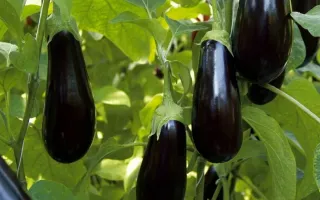
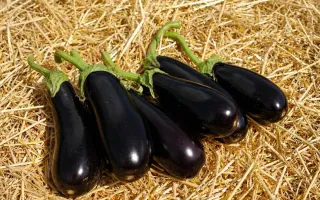
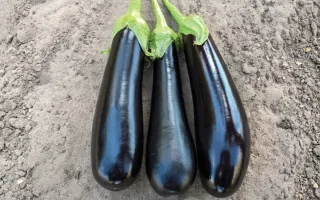
- Fruit shape: Classic cylinder, 12–25 cm in length.
- Weight: A compact 100–200 grams, perfect for culinary use and home preservation.
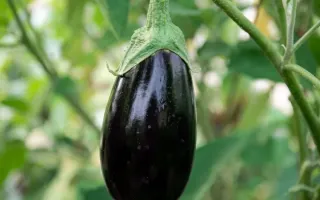
- Color: Deep dark purple with a signature glossy finish.
The main strength of the 'Khersonskyi' variety is its predictability. It focuses on flesh quality—dense, tender, and notably free of bitterness—rather than just maximizing fruit size. The uniform cylindrical shape makes it an excellent choice for market growers, as the fruits stack easily in containers and withstand transportation with minimal risk of damage.
Who Should Choose This Variety?
This variety is tailored for farmers and home gardeners who prioritize classic taste and low-maintenance crops. While it may not compete with intensive industrial hybrids in sheer tonnage, 'Khersonskyi' is highly reliable in open-field conditions, forgiving of minor agricultural slips, and highly responsive to basic soil care. If you are looking for dependable germination and consistent performance, this variety remains a top-tier choice.
Crop & resistance
Crop
Specifications
| Growing | |
|---|---|
| Maturation Period (Seedlings) | 50-60 days |
| Fruit | |
| Weight | 100-200 grams |
| Shape | |
| Color | |
| Length | 12-25 cm |
| Registration year | 2014 |
| Catalog | Catalog → Eggplant |
| Legal data |
Show · 1
|
| Country | Ukraine |
No reviews yet. Be the first to share your experience.
Alternatives
Eggplant seeds · similar varieties




See also
Often considered together with this variety


Recently viewed
Products you’ve viewed on this site
Reviews