


SKU #53217
·
45 views
Anakonda
Cucumber
Агрофирма АэлитаUser rating
0 votes0% positive reviews
No ratings yet — be the first.
Plant Type
Generative
Pollination Type
Parthenocarpic
Beginning of fruiting
45 - 50 days
Growing
Covered Ground, Glass greenhouses, Open Ground
About product

The cucumber variety Anacoda is an early-maturing parthenocarpic hybrid, intended for cultivation in protected ground. The plants are weakly branched, predominantly female-flowering, with some male flowers, which helps regulate the number of fruit set and form uniform, elongated fruits. From germination to the first harvest, it takes about 47-52 days, and the yield reaches 11-13 kg per square mete…
Plant Type
Generative
Pollination Type
Parthenocarpic
Beginning of fruiting
45 - 50 days
Growing
Covered Ground, Glass greenhouses, Open Ground
Description
The cucumber variety Anacoda is an early-maturing parthenocarpic hybrid, intended for cultivation in protected ground. The plants are weakly branched, predominantly female-flowering, with some male flowers, which helps regulate the number of fruit set and form uniform, elongated fruits. From germination to the first harvest, it takes about 47-52 days, and the yield reaches 11-13 kg per square meter. For optimal growth, seedlings aged 20-30 days are recommended, planted at a density of 2-3 plants per square meter, supported on a trellis, and trained into a single stem, pinching off lateral shoots above the second or third leaf. Regular watering, weeding, loosening, and fertilization are essential, and harvesting should be conducted every 2-3 days to maintain high productivity.
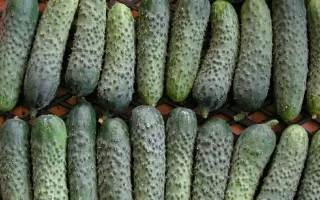
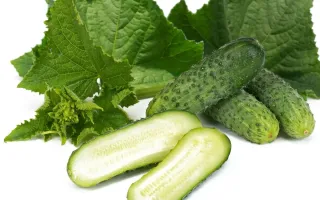
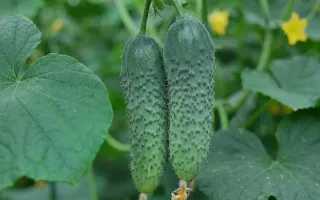
The fruits of the Anacoda cucumber are notably large: length ranges from 25 to 50 cm, diameter about 3 cm, and weight varies from 160-170 g to 240-250 g. They have a cylindrical shape with a characteristic neck, thin skin, and small seed cavity. The fruits are dense, without cavities, juicy, and compact, yet remain tender and sweet, making them especially attractive for fresh consumption, salads, and pickling. The seeds are small and not noticeable during eating, and the taste of the fruits is significantly sweeter than regular cucumbers and lacks bitterness.
The Anacoda variety is highly resistant to temperature fluctuations and major diseases such as cladosporiosis, true powdery mildew, and cucumber mosaic virus. Thanks to these qualities and ease of care, this hybrid is popular among gardeners and professional growers. Anacoda F1 combines excellent commercial characteristics, high yield, and unique taste, making it a universal choice for cultivation both in greenhouses and open ground.
The fruits of the Anacoda cucumber are notably large: length ranges from 25 to 50 cm, diameter about 3 cm, and weight varies from 160-170 g to 240-250 g. They have a cylindrical shape with a characteristic neck, thin skin, and small seed cavity. The fruits are dense, without cavities, juicy, and compact, yet remain tender and sweet, making them especially attractive for fresh consumption, salads, and pickling. The seeds are small and not noticeable during eating, and the taste of the fruits is significantly sweeter than regular cucumbers and lacks bitterness.
The Anacoda variety is highly resistant to temperature fluctuations and major diseases such as cladosporiosis, true powdery mildew, and cucumber mosaic virus. Thanks to these qualities and ease of care, this hybrid is popular among gardeners and professional growers. Anacoda F1 combines excellent commercial characteristics, high yield, and unique taste, making it a universal choice for cultivation both in greenhouses and open ground.
Crop & resistance
Specifications hover over for a hint about the specification
| Plant Type | |
|---|---|
|
Pollination Type
Pollination Type
Based on pollination type, all existing cucumber varieties are divided into two groups: insect-pollinated and parthenocarpic (parthenocarpics). Insect-pollinated — cucumber varieties that are pollinated by insects. The plant has both male and female flowers (sterile flowers). Par... |
|
|
Beginning of fruiting
Beginning of fruiting
The early maturity of watermelon varieties mainly depends on the duration of growth and fruit ripening phases, rather than the timing of female flower blooming. Many varieties, ripening at different times, begin to bloom almost simultaneously. Approximately 30 days after fruit se... |
45 - 50 days |
|
Growing
Growing
Eggplant is grown in open fields and under protective cover on small areas. |
|
|
Fruit; length
Fruit; length
Length from 6 to 70 cm. |
20 - 25 cm |
|
Fruit; flower
Fruit; flower
At technical maturity, fruit color varies from white, light purple to dark purple. |
|
|
Fruit; weight
Fruit; weight
Table watermelons weigh 0.6-16 kg. |
250 |
| Registration year | 2019 |
| Catalog | Catalog → Cucumber |
| Manufacturer | Агрофирма Аэлита |
| Legal data |
Show · 5
|
| Country | Russia |
Store offers
Prices are updated on loadLoading offers…
Aggregator catalog: prices are collected automatically from store websites, normalized by AI and converted at the current exchange rate. Before ordering, confirm the price and availability on the store's website. This block is not indexed by search engines — the data is loaded after the page opens.
Not yet комментариев. Be the first!
Alternatives
Cucumber seeds · similar varieties






See also
Often considered together with this variety




Recently viewed
Products you’ve viewed on this site
Reviews · 0