

SKU #48597
·
49 views
Prekarpathian 33
Clover
User rating
0 votes0% positive reviews
No ratings yet — be the first.
Usage Type
Feed on green mass, Hay
Vegetation Period
80-110
Plant Height
40-80
Root System Type
Fibrous
About product
A high-protein clover variety with excellent disease resistance and consistent yields for reliable livestock feed.
Usage Type
Feed on green mass, Hay
Vegetation Period
80-110
Plant Height
40-80
Root System Type
Fibrous
Description
A Reliable Protein Source for Your Livestock
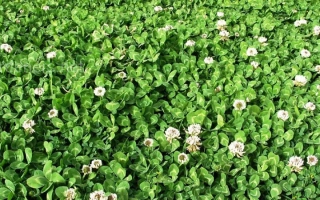
The clover variety "Predkarpatskiy 33," developed by the Institute of Agriculture of NAAS, is a go-to solution for farms aiming to secure a high-protein feed base. With a vegetation period of 80–110 days, this variety allows for efficient management of cutting schedules, ensuring optimal nutrient density in your forage.
Field Application and Strategy
- Hay Production: Capable of producing 6–8 tons per hectare of high-quality hay, this variety retains excellent leaf-to-stem ratios even after drying, maximizing the nutritional value for winter storage.
- Green Fodder: With a green mass yield of 35–45 t/ha, "Predkarpatskiy 33" fits perfectly into a green conveyor system. The 20–30 day flowering period provides a flexible window for harvesting at peak nutritional quality.
- Crop Rotation: The fibrous root system not only provides resistance to lodging but also improves soil structure, leaving a fertile legacy for subsequent crops.
Agronomic Performance and Health
The standout characteristic of "Predkarpatskiy 33" is its high protein content combined with robust disease resistance. In fields prone to fungal infections, this variety maintains its health and productivity, reducing the need for intensive fungicide use. Standing 40–80 cm tall, the crop is well-suited for standard mechanical harvesting, minimizing field losses. Choosing this variety means opting for a predictable, high-yield outcome, ensuring consistent weight gain and milk production for your livestock throughout the season.
Crop & resistance
Crop
Specifications
| Usage Type | |
|---|---|
| Vegetation Period | 80-110 |
| Plant Height | 40-80 |
| Root System Type | |
| Blooming Period | 20-30 |
| Flower Color | |
| Green Mass Yield (t/ha) | 35-45 |
| Hay Yield (t/ha) | 6-8 |
| Variety Characteristics | |
| Registration year | 1977 |
| Catalog | Catalog → Clover |
| Legal data |
Show · 1
|
| Country | Ukraine |
Store offers
Prices are updated on loadLoading offers…
Aggregator catalog: prices are collected automatically from store websites, normalized by AI and converted at the current exchange rate. Before ordering, confirm the price and availability on the store's website. This block is not indexed by search engines — the data is loaded after the page opens.
Not yet комментариев. Be the first!




Fregat
ФГБНУ Федеральный Аграрный Научный Центр Северо-востока имени Н.В. Рудницкого
042 1 offer
70.21 € ≈ 3 626 ₴


See also
Often considered together with this variety



Recently viewed
Products you’ve viewed on this site
Reviews · 0