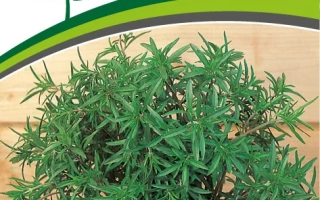
Oregano (Marjoram) – a dwarf annual plant growing 30–45 cm tall with straight, densely branched stems and gray-green narrow leaf blades 15–25 mm long. In mid-summer, it is covered with small pink, lilac, or white flowers, and in September, seeds suitable for collection and subsequent planting are formed.
In cooking, oregano is valued for its sharp, spicy taste and aroma reminiscent of black pepper. It goes well with meat, poultry, fish, vegetables, and mushrooms, and can also be used in sauces, marinades, sides, and baking. Moderation should be observed when adding it – a small amount enhances the dish's flavor, but excess can overwhelm other spices.
Oregano has healing properties: it improves digestion, increases appetite, calms the nervous system, and exerts an antioxidant effect due to essential oils (phenols, thymol, eucalyptol). It is also used in alternative medicine for relieving headaches and supporting overall body tone. The plant is recommended for growing at home, where its greens can be used in salads, soups, meat and vegetable dishes, as well as in pickling and marinating.