


Maturation Period
75-85 days
Beans: Type
Snap beans (Sweet beans, Vegetable beans)
Beans: Color in Technical Ripeness
Green
Habit: Plant Height
40-50 cm
Your mark
0 votes
0% positive ratings
Store offers · 16 from 5 stores
16 offers in 5 stores — from 0.45 € per 1000 seeds.
Available at: agrocentr-in-ua · Agrodoctor · scsadovod-ru · Интернет магазин садовых растений Все Сорта · Sadoviy Mir
Prices are collected automatically from store websites and converted at the current exchange rate. Check the price and availability on the store website before ordering.
Description
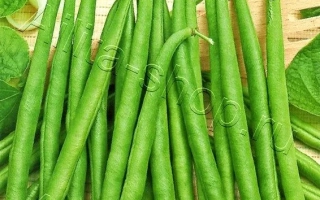
The Artemis bean is a medium-maturing, high-yielding bush variety with a vegetative period from sowing to harvest of 80-85 days depending on the climatic zone. Plants reach a height of 35-40 cm and are characterized by fleshy, fiberless, green pods 12-15 cm long. The pods are broad and flat, and combined with slow seed development, this ensures high flavor quality and makes the beans suitable for both immediate consumption and long-term canning. The variety is disease-resistant, contributing to stable yields.
For successful cultivation of Artemis beans, it is recommended to sow them in open ground in April-May when soil temperature is not lower than +10-12°C. The optimal temperature for plant growth and development is 25-30°C; however, temperatures dropping to +3°C negatively affect the beans, causing yellowing and cessation of growth, and frost kills the plants. Beans are warm-loving and require light, warmth, and adequate soil and air moisture, especially during the early growth stages. Drought and heat during flowering may reduce crop quality, while shade and overcrowded plantings impair plant development. Excessive moisture is also harmful, causing mass flower and pod drop.
The best soils for growing the Artemis variety are light-textured soils with sufficient humus content, such as light chernozems. Beans do not require organic fertilizers, but for increased yield, it is recommended to apply phosphorus and potassium fertilizers in the fall, as well as microfertilizers. Planting density is 2.8-3.5 plants per square meter. Due to its characteristics and resistance to adverse conditions, the Artemis variety is an excellent choice for cultivation in both home gardens and commercial agriculture.
For successful cultivation of Artemis beans, it is recommended to sow them in open ground in April-May when soil temperature is not lower than +10-12°C. The optimal temperature for plant growth and development is 25-30°C; however, temperatures dropping to +3°C negatively affect the beans, causing yellowing and cessation of growth, and frost kills the plants. Beans are warm-loving and require light, warmth, and adequate soil and air moisture, especially during the early growth stages. Drought and heat during flowering may reduce crop quality, while shade and overcrowded plantings impair plant development. Excessive moisture is also harmful, causing mass flower and pod drop.
The best soils for growing the Artemis variety are light-textured soils with sufficient humus content, such as light chernozems. Beans do not require organic fertilizers, but for increased yield, it is recommended to apply phosphorus and potassium fertilizers in the fall, as well as microfertilizers. Planting density is 2.8-3.5 plants per square meter. Due to its characteristics and resistance to adverse conditions, the Artemis variety is an excellent choice for cultivation in both home gardens and commercial agriculture.
Crop & resistance
Crop
Specifications
| Maturation Period | 75-85 days |
|---|---|
| Beans | |
| Type | |
| Color in Technical Ripeness | |
| Habit: Plant Height | 40-50 cm |
| Plant: Stem Type | |
| Registration year | 2005 |
| Catalog | Catalog → Bean |
| Manufacturer | Pop Vriend Seeds-NL |
| Legal data |
Show · 4
|
| Country | Netherlands |
No reviews yet. Be the first to share your experience.
Alternatives
Bean seeds · similar varieties







See also
Often considered together with this variety





Recently viewed
Products you’ve viewed on this site
Reviews