


Prices in stores
No offers yet — stores have not added prices for this product yet.
Similar varieties with prices
-
CalypsoLIMAGRAIN
from 0.12 €per ml
-
 Avers
from 0 €per 1 kg
Avers
from 0 €per 1 kg
- DanielleAckermann Saatzucht GmbH & Co KG from 1.98 €
-
 CharismaDEUTSCHE SAATVEREDELUNG AG
from 10.64 €
CharismaDEUTSCHE SAATVEREDELUNG AG
from 10.64 €
Plant Type
Winter Barley
Registration year
2015
Your mark
0 votes
0% positive ratings
Description
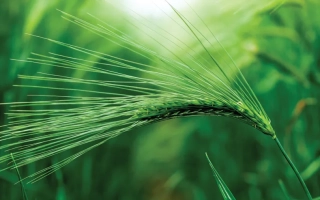
Winter barley variety Kuzen is a medium-maturity multi-row grain variety intended for cultivation in the North Caucasus region, specifically in the North-Eastern Semidesert and Eastern Dry Steppe zones of the Stavropol Territory. The plant is of medium height with a semi-erect, cylindrical, and dense ear covered with a weak waxy bloom. Awns are longer than the ear, barbed, with anthocyanin coloring at the tips of weak intensity. The vegetation period ranges from 214 to 245 days, allowing the variety to mature simultaneously with the Khutorok variety. The Kuzen variety is distinguished by high resistance to drought and frosts, making it particularly valuable for southern regions with unfavorable climatic conditions. Winter hardiness is at the level of standards, while lodging resistance exceeds the indicators of the Khutorok variety. Additionally, the variety has moderate resistance to powdery mildew, average infection levels with helminthosporiosis, and high susceptibility to powdery scab. The mass of 1000 grains varies from 36 to 43 grams, and protein content in the grain ranges from 10.0 to 14.2%, making the grain suitable for grain-forage use. The yield of the Kuzen variety in the region averages 45.6 centners per hectare, while in some cases, for example in the Stavropol Territory in 2014, the maximum yield reached 85.3 centners per hectare. The variety has passed certification and quality control at all production stages, confirming its reliability and high productivity. Due to its characteristics and adaptation to climatic conditions, Kuzen is a popular choice among farmers in southern regions.
Crop & resistance
Crop
Disease resistance
Specifications
| Plant Type | |
|---|---|
| Registration year | 2015 |
| Catalog | Catalog → Barley |
| Manufacturer | North Caucasian FARC |
| Legal data |
Show · 1 |
| Country | Russia |
No reviews yet. Be the first to share your experience.
Alternatives
Barley seeds · similar varieties


See also
Often considered together with this variety


Recently viewed
Products you’ve viewed on this site
Reviews