


SKU #60459
·
82 views
ESMA
Barley
Ackermann Saatzucht GmbH & Co KGUser rating
0 votes0% positive reviews
No ratings yet — be the first.
Plant Type
Spring barley
Plant Height
80-90cm
Vegetation Period (Maturity)
80-90 days
Seed; mass 1.000seeds
46-48 grams, 48-50 grams
About product

ESMA is a medium-early spring barley variety of dual purpose, intended for cultivation in the northwestern regions of Russia. It is characterized by a vegetation period of 78 to 99 days and belongs to the nautans type. The plant is of medium height, shorter than the Nur, Moscow 86, and Moscow 3 standards by 8-10 cm, with a semi-erect bush and strong anthocyanin coloring of the flag leaf ears. The…
Plant Type
Spring barley
Plant Height
80-90cm
Vegetation Period (Maturity)
80-90 days
Seed; mass 1.000seeds
46-48 grams, 48-50 grams
Description
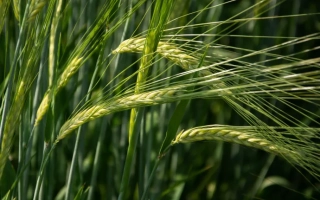
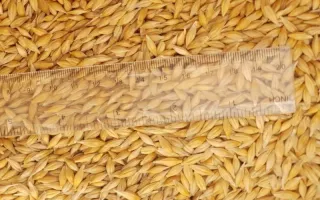
ESMA is a medium-early spring barley variety of dual purpose, intended for cultivation in the northwestern regions of Russia. It is characterized by a vegetation period of 78 to 99 days and belongs to the nautans type. The plant is of medium height, shorter than the Nur, Moscow 86, and Moscow 3 standards by 8-10 cm, with a semi-erect bush and strong anthocyanin coloring of the flag leaf ears. The ear is pyramidal, of medium density, with long serrated awns and large kernels, which ensures high grain size and high thousand-kernel weight - from 46 to 51 grams. The ESMA variety is distinguished by high resistance to lodging and dry conditions, which ensures stable and high yields. Average yield in cultivation regions reaches 33 c/ha, while maximum indicators reach up to 67.6 c/ha, exceeding average standards. The grain is characterized by high protein content up to 10.5%, which makes it valuable both for grain and forage. Moreover, the variety demonstrates high resistance to a number of diseases, including powdery mildew, rhynchosporium, brown rust, and reticulate spot, but is susceptible to net blotch and damage by the Swedish midge. ESMA is recommended for cultivation in such regions as Kaliningrad and Kostroma, and is included in the state register for the North-West region. Thanks to its agronomic characteristics, such as high resistance to abiotic stress factors, strong waxy bloom on the sheaths of lower leaves, and optimal ear structure, this variety is a reliable choice for farmers seeking to obtain a stable and quality barley crop.
Crop & resistance
Crop
Specifications
| Plant Type | |
|---|---|
| Plant Height | 80-90cm |
| Vegetation Period (Maturity) | 80-90 days |
| Seed; mass 1.000seeds | 46-48 grams, 48-50 grams |
| Registration year | 2020 |
| Catalog | Catalog → Barley |
| Manufacturer | Ackermann Saatzucht GmbH & Co KG |
| Country | Germany |
Store offers
Prices are updated on loadLoading offers…
Aggregator catalog: prices are collected automatically from store websites, normalized by AI and converted at the current exchange rate. Before ordering, confirm the price and availability on the store's website. This block is not indexed by search engines — the data is loaded after the page opens.
Not yet комментариев. Be the first!
Alternatives
Barley seeds · similar varieties






See also
Often considered together with this variety


Recently viewed
Products you’ve viewed on this site
Reviews · 0