


SKU #38140
·
47 views
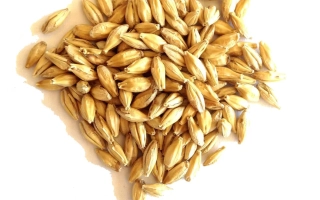
Barley Chestnut
Barley
User rating
0 votes0% positive reviews
No ratings yet — be the first.
Plant Type
Perennial
Registration year
1994
Prices in stores
from242.59 €per 1 kg
pack from 1.93 € per 10 pcs
4 offers from 2 stores
Store offers · 4 from 2 stores
Prices are updated on loadLoading offers…
Available at: AgronomVIP · Рідний сад
Aggregator catalog: prices are collected automatically from store websites, normalized by AI and converted at the current exchange rate. Before ordering, confirm the price and availability on the store's website. This block is not indexed by search engines — the data is loaded after the page opens.
About product

A reliable and low-maintenance variety that minimizes care costs and simplifies the harvesting process.
Plant Type
Perennial
Registration year
1994
Description
Field Experience with «Kashtan» Barley
When selecting seed material for farms focused on stability, the «Kashtan» barley variety from the Vinnytsia State Agricultural Research Station stands out for its reliability in the Ukrainian climate. This is not the type of crop that requires constant monitoring—the breeding focus is on endurance and predictable results with minimal agronomic overhead.
Operational Agronomic Features
The main characteristic of «Kashtan» is its long-term adaptability. For an operator, this means reduced risk of loss during extreme weather fluctuations. In field conditions, the variety responds well to fertilization but remains robust even under extensive farming practices. During the growing season, the plant exhibits strong stems, which simplifies harvesting: there are no issues with lodging, and the load on the combine harvester header is distributed evenly, saving fuel and reducing machinery wear.
- High stress resistance threshold: the variety performs consistently even during dry spells.
- Stable grain formation: ease of processing and storage.
- Technological efficiency: uniform ripening eliminates uneven strain on the threshing mechanism.
Field maintenance follows standard protection protocols. The «Kashtan» variety is convenient because it does not require specific fungicide treatments, significantly cutting operational costs per hectare. The crop's «in-field» resilience is high: the plant features a powerful root system capable of compensating for minor errors in watering or fertilization schedules.
For an agricultural producer who values predictable harvest logistics, this barley is one of the most comfortable assets to manage. With minimal unplanned maintenance and reliable grain yield, you can plan your crop rotation with confidence and lower risks.
Crop & resistance
Crop
Specifications
| Plant Type | |
|---|---|
| Registration year | 1994 |
| Catalog | Catalog → Barley |
| Legal data |
Show · 1
|
| Country | Ukraine |
Not yet комментариев. Be the first!
Alternatives
Barley seeds · similar varieties


See also
Often considered together with this variety


Recently viewed
Products you’ve viewed on this site
Reviews · 0