
Blind Seed Disease
Gloeotinia
The causal agent of Blind Seed Disease is the fungus Gloeotinia temulenta, a member of the Ascomycota phylum. This pathogen is particularly well-known for its impact on grass seed crops, where it causes significant reduction in seed viability and yield.
What the section contains
Blind Seed Disease
The life cycle of Gloeotinia temulenta involves the formation of sclerotia, which are dormant, hardened fungal structures. These structures can survive in the soil or within contaminated seed lots for several years, acting as the primary inoculum for the following seasons.
Infection begins when the sclerotia germinate to produce apothecia—small, cup-shaped fruiting bodies. These bodies discharge ascospores into the air, which are then carried by wind currents to the developing inflorescences of the host plants.
Once the spores land on the stigma of a flower, they germinate and penetrate the developing seed. The fungal mycelium then grows within the seed tissues, ultimately replacing the internal embryo and endosperm with its own fungal mass.
In addition to sexual spores, the fungus can produce conidia under humid conditions. These secondary spores facilitate the rapid spread of the disease within the crop canopy, leading to severe outbreaks if environmental conditions remain favorable.
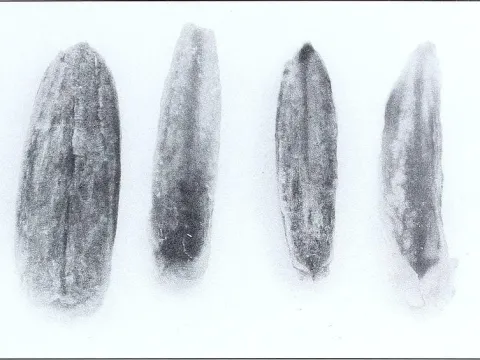
The primary symptom of Blind Seed Disease is the failure of seeds to develop properly. Although the seed coat may appear normal, the interior is often replaced by a sclerotium or empty, shriveled tissue, rendering the seed completely infertile.
During the flowering stage, the inflorescences may show signs of premature bleaching or browning. While these symptoms can be subtle, careful inspection often reveals a lack of healthy development in the spikelets compared to unaffected plants.
In advanced stages of infection, a grayish or white fungal growth may be visible on the surface of the infected seed heads, especially during periods of high humidity. This growth consists of the fungus producing secondary conidia for further spread.
Plants affected by the disease may appear stunted or display distorted growth patterns in the flowering stalks. The lack of seed formation often leads to a lighter, less dense seed head, which can be distinguished during harvesting.
- Lack of germination in seeds (blind seeds).
- Presence of dark sclerotia within the seed head.
- Premature bleaching or browning of inflorescences.
- Visible fungal sporulation on infected seeds.
- Reduced seed weight and overall yield quality.
High humidity and rainfall during the flowering period are critical environmental drivers for the development of Blind Seed Disease. Moisture is essential for the germination of sclerotia and the subsequent infection of host plant stigmas.
The fungus thrives in moderate temperature ranges, typically between 15°C and 22°C. Cool, wet weather during anthesis creates a perfect window for the primary infection phase, often leading to widespread field contamination.
Canopy density and air circulation within the field play a significant role in disease severity. Dense plantings trap moisture and humidity, providing an ideal environment for the fungus to multiply and spread via secondary conidia.
Soil conditions also impact the disease; fields with heavy, poorly drained soil are more prone to higher inoculum levels. The persistence of sclerotia in the soil is supported by these moisture-retentive conditions.
The synchronization of the fungus's sporulation with the flowering time of the grass crop is a key factor in the epidemic nature of the disease. If the peak ascospore discharge coincides with the peak bloom, the damage is usually most severe.
The economic impact of Blind Seed Disease is primarily driven by the drastic reduction in seed germination rates. This renders the harvest unusable as sowing material, leading to significant financial losses for seed growers.
The disease affects the market value of the crop because blind seeds are lighter and may be rejected during the cleaning and grading process. High levels of infection can result in the total loss of a commercial seed crop.
Beyond direct economic loss, the presence of the pathogen complicates trade and distribution, as seed lots must be tested for viability and the presence of Gloeotinia before they can be certified for international or regional markets.
There is also an ecological concern regarding the persistence of the fungus in the field. Once a field is heavily infested with sclerotia, it may require several years of rotation with non-host crops to reach safe inoculum levels.
The cost of implementing management strategies, such as fungicide applications and more frequent testing, further squeezes profit margins for producers, making this disease a serious challenge for the agricultural industry.
The most effective strategy for managing Blind Seed Disease is the use of disease-free seed stocks. Ensuring that seeds are certified and tested for the presence of Gloeotinia temulenta is the first line of defense.
Cultural practices such as deep ploughing can help by burying sclerotia deep enough in the soil to prevent the formation of apothecia. Crop rotation with non-host species is essential for reducing the inoculum load over time.
Fungicide applications, when timed correctly during the flowering stage, can significantly reduce the rate of infection. Prophylactic measures should be prioritized to protect the stigmas before the primary ascospore discharge occurs.
Improving field hygiene by managing weeds that may serve as alternative hosts and removing infected crop debris helps limit the reservoir of the disease. Proper fertilization and irrigation management can also strengthen plant health.
Seed cleaning processes, including the use of gravity separators or specialized air-cleaning machines, can effectively remove lighter sclerotia from the seed lot, significantly improving the quality and safety of the final product.