
Bletilla anthracnose
Colletotrichum bletillum
Description
Symptoms
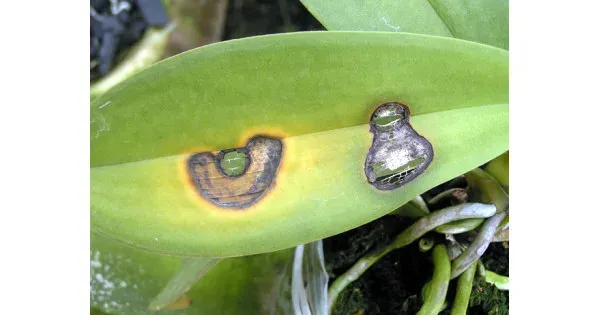
The initial signs of Bletilla anthracnose are small brown or black spots on the leaves, which gradually increase in size and often develop a darker margin.
As the disease progresses, dark, sunken spots form in the center of the lesions, representing the fungal fruiting bodies releasing new spores.
Infected leaves often show signs of premature yellowing and necrosis, significantly diminishing the plant's aesthetic value and overall vigor.
Under humid conditions, the lesions may coalesce, covering large portions of the leaf blade and potentially moving downward to the pseudobulbs or roots.
- small circular necrotic spots;
- concentric rings on larger lesions;
- dark fungal spores visible in humid conditions;
- wilting and premature drop of leaves.
Pathogen
The causative agent of this disease is the pathogenic fungus Colletotrichum bletillum, which specifically targets various species of decorative orchids, particularly the Bletilla genus.
This fungus is an asexual pathogen that produces conidia within specialized fruiting structures known as acervuli, which rupture the host's plant epidermis.
The pathogen is highly persistent and can survive for extended periods in plant debris, potting media, and even on tools if they are not properly sterilized.
Transmission occurs primarily through water splashes, contaminated tools used for pruning, or direct contact between infected and healthy plant tissues.
Once it colonizes the tissue, the fungus secretes enzymes that degrade the cell walls, causing rapid decay and the typical symptoms of the disease.
Conditions for development
The development of the disease is heavily favored by high relative humidity, typically exceeding 75 to 80 percent in cultivation areas.
Warm temperatures, ranging from 20 to 28 degrees Celsius, create the ideal environment for the spores to germinate and infect the plant tissue quickly.
Excessive moisture on the leaf surface, often caused by overhead watering or poor drainage, acts as a primary catalyst for the spread of the infection.
Plants that are stressed due to inadequate lighting, poor fertilization, or overcrowded conditions are significantly more susceptible to the fungal invasion.
Inadequate air circulation in greenhouses prevents the evaporation of surface moisture, facilitating the continuous life cycle of the pathogen.
Why it matters
Bletilla anthracnose causes severe cosmetic damage to orchids, rendering them unfit for commercial sale or display in botanical collections.
Chronic infection drains the plant's energy resources, leading to stunted growth, loss of foliage, and a complete failure to produce blooms.
In advanced stages, the infection can become systemic, leading to the death of the entire plant if the necrotic lesions reach the crown or roots.
Rapid sporulation allows the disease to spread quickly across an entire collection, posing a high risk for commercial nursery operations.
Infected plants serve as persistent inoculum sources, necessitating drastic measures such as culling or strict quarantine to protect healthy stock.
Protection
The primary control measure involves the immediate pruning and destruction of all infected plant material, followed by the sanitization of all gardening tools.
Strict irrigation management is crucial; always water the potting substrate directly and avoid wetting the leaves or stems to limit spore dispersal.
Applying systemic fungicides, such as those containing copper or triazole compounds, is effective for preventing and managing active fungal outbreaks.
Improving greenhouse ventilation and maintaining consistent air movement are essential strategies to reduce surface leaf moisture and inhibit fungal growth.
Regular inspection of plants combined with the removal of debris is necessary to maintain a healthy growing environment and prevent future outbreaks.
Discussion
No discussions yet — be the first.