
Bleeding Cup
Disciotis venosa
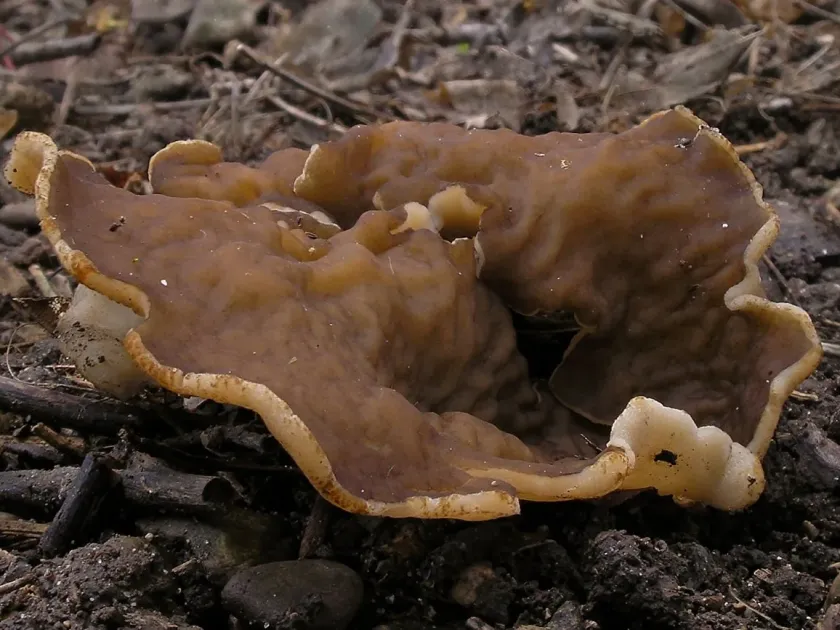
Description
Symptoms
The most visible sign of Disciotis venosa is the emergence of fleshy, cup-shaped fruiting bodies during the early spring season, specifically from April to May.
These fruiting bodies are often found in clusters, emerging from moist, humus-rich soil, sometimes near the base of trees or shrubbery.
A key identifying feature is the wrinkled appearance of the inner cup surface, which gives it a vein-like appearance, differentiating it from other cup fungi.
When handled, the fungus often releases a distinctive, somewhat pungent smell reminiscent of chlorine, which is a reliable diagnostic characteristic in the field.
Below the surface, one can observe fine, white mycelial threads that confirm the fungus is actively utilizing the organic resources present in that soil location.
Pathogen
Disciotis venosa, commonly known as the Bleeding Cup, is an ascomycete fungus within the Morchellaceae family. It is primarily a saprotrophic organism that plays a significant role in organic matter decomposition within the soil horizon.
The fruiting body is characterized by a cup-like shape with a distinctively veined or wrinkled interior surface. Its coloration typically ranges from light brown to earthy beige, often blending with the forest floor or garden soil.
While not a primary pathogen of agricultural crops, it acts as an active agent in nutrient cycling. Its presence indicates a high level of organic content and moisture, which are critical parameters for evaluating soil quality.
The mycelium network of Disciotis venosa spreads through the upper layers of humus. During the spring, the fungus develops its apothecia, which release spores to ensure the colonization of new suitable substrates.
Agronomists view this fungus as a biological indicator rather than a pest, though its presence in specific greenhouse conditions might require adjustments to soil management practices.
Conditions for development
The development of the Bleeding Cup is strictly dependent on high moisture levels and cold-to-moderate temperatures, typically ranging from 10 to 18 degrees Celsius.
It favors neutral to slightly alkaline soil environments that are rich in organic material and show good structure without excessive compaction.
The fungus thrives in areas that are naturally shaded or protected from extreme drying, making early spring the optimal window for its growth.
High humidity combined with the availability of partially decomposed plant matter serves as the primary driver for its rapid spread and colonization.
Environmental stress, such as sudden drought or high soil temperatures, significantly limits the growth phase and inhibits the formation of fruiting bodies.
Why it matters
As a saprotroph, Disciotis venosa is generally harmless to healthy crop roots and does not possess direct pathogenic capabilities against living plant tissues.
However, intense fungal activity in a greenhouse or garden bed may lead to temporary nitrogen immobilization as the mycelium breaks down organic matter.
In highly sensitive horticultural settings, the sheer biomass of the developing fungus can physically interfere with the germination of seeds or the stability of young seedlings.
Its frequent occurrence is often a symptom of poor drainage or waterlogging, conditions that are themselves detrimental to most vegetable crops and orchards.
While not a primary threat, it may exist in the same niche as other fungi, and its presence can serve as a warning sign to optimize soil aeration and moisture levels.
Protection
The primary control strategy involves improving soil drainage to prevent the moisture accumulation that supports fungal proliferation.
Regular cultivation and surface aeration are effective ways to disrupt the mycelium and ensure that the soil environment remains unfavorable for the fungus.
Managing the input of organic amendments is crucial; using well-composted material instead of fresh, raw waste prevents the fungus from finding an ideal food source.
If the fungus appears in large clusters, physical removal of the fruiting bodies before they release spores can help manage their population in subsequent seasons.
The use of fungicides is generally unnecessary and discouraged, as Disciotis venosa does not pose a significant risk to overall crop yields or plant health.
Discussion
No discussions yet — be the first.