
Blood-red bolete
Boletus rubrosanguineus
Description
Symptoms
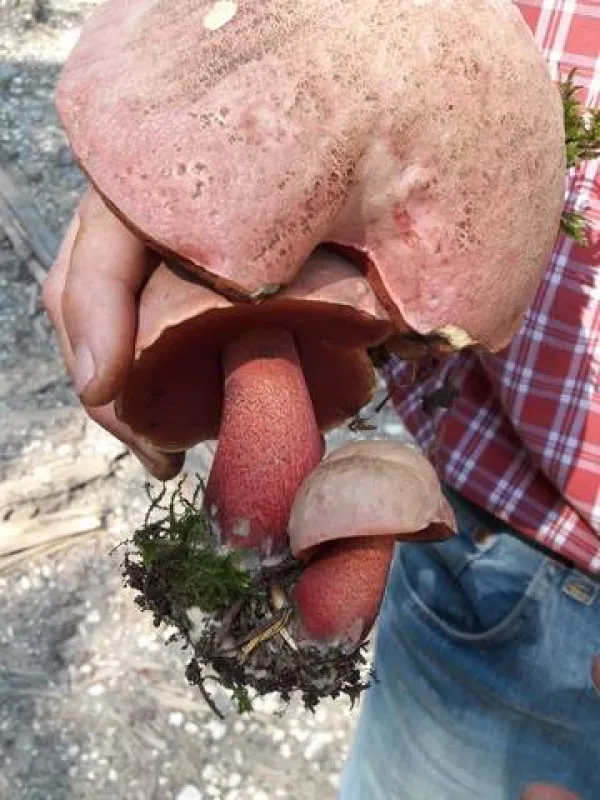
The Blood-red bolete is characterized by a large, fleshy cap that typically reaches 15 to 20 centimeters in diameter, often presenting a brownish-grey to olive color.
The texture of the cap surface is frequently velvety or finely tomentose, which is a common diagnostic feature for mature specimens of this species.
A distinctive trait is the bright red to crimson hymenium (tubular layer) underneath the cap, which stains rapidly to dark blue or black upon physical pressure.
The stem is robust and stocky, usually decorated with a prominent red reticulation pattern, which serves as a key identifier for forest mycologists.
The internal flesh is firm but exhibits a rapid color change to deep blue when exposed to air, illustrating the intensive oxidative processes within the fungus.
Pathogen
This species is not a plant pathogen and does not cause diseases in agricultural crops; it is a beneficial mycorrhizal fungus found in coniferous ecosystems.
It forms an ectomycorrhizal relationship with conifers, specifically spruce and fir trees, which assists the trees in nutrient and water uptake from the soil.
There is no evidence that this fungus interferes with the health of vegetables, grains, or fruit crops, as its biological niche is restricted to forest environments.
Its reproductive cycle involves the release of spores that germinate in soil rich in decaying conifer needles, far removed from standard agricultural operations.
From an agronomic perspective, this mushroom is ecologically neutral and does not require management or control measures within crop production areas.
Conditions for development
The fungus thrives in mountainous regions with cool, temperate climates, where conifer forests provide the necessary acidic soil environment.
Soil composition is critical for this species, requiring well-drained ground layers enriched with organic forest litter to sustain the mycelial network.
Optimal fruiting conditions occur during periods of high humidity and sufficient rainfall, typically spanning from late summer to the middle of autumn.
It is highly sensitive to environmental degradation, such as soil compaction or chemical pollution, which limits its occurrence to undisturbed forest ecosystems.
The presence of mature conifer stands is the most important factor for the proliferation of this species, as the symbiosis is highly host-specific.
Why it matters
The Blood-red bolete does not pose a threat to agricultural productivity, as it lacks the physiological traits to parasitize or damage cultivated plants.
It does not produce any toxins that would affect soil quality or crop health, nor does it compete with crops for resources in an agricultural setting.
The primary concern regarding this mushroom is its potential for ingestion by mistake, as it is generally considered bitter and inedible for humans.
Accidental consumption may result in gastrointestinal distress, which emphasizes the importance of proper mushroom identification for foragers.
Overall, the presence of this fungus is beneficial for the surrounding woodland, contributing to the general stability and vitality of forest tree communities.
Protection
No control measures are needed for the Blood-red bolete, as it has no negative impact on agricultural or horticultural crops whatsoever.
Using chemical fungicides to eradicate this species would be counterproductive, as it would destroy beneficial mycorrhizae and damage local tree health.
If individuals wish to clear them from a specific recreational area, simple manual removal is sufficient, ensuring no chemicals are introduced into the soil.
Prevention of ingestion incidents relies solely on education and ensuring that individuals do not harvest mushrooms they cannot identify with certainty.
Management should focus on the preservation of its natural habitat, recognizing that this fungus plays a vital role in maintaining forest health.
Discussion
No discussions yet — be the first.