

Disease
Especially harmful
Melon spotted necrosis virus
Melon spotted necrosis virus
Description
Symptoms
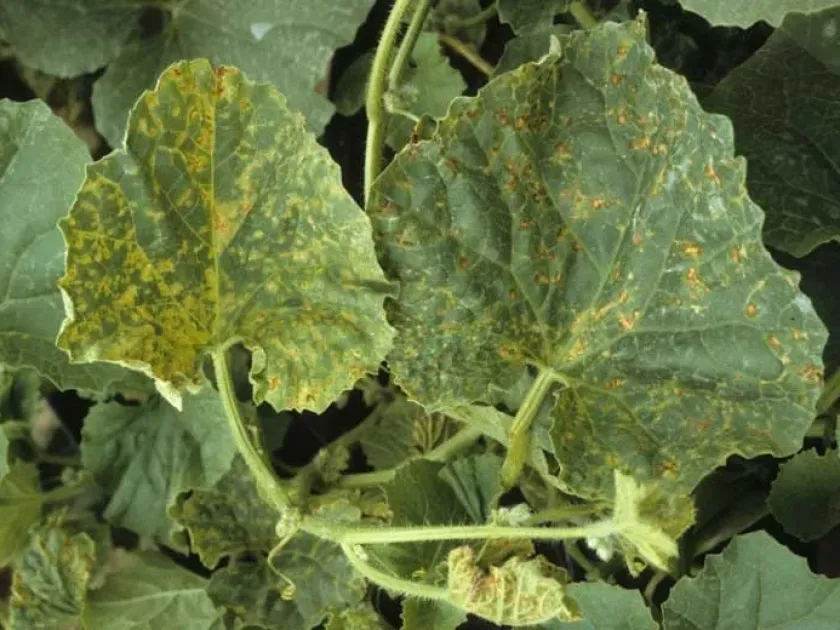
The most distinctive symptoms are chlorotic and necrotic spots that appear on leaves. These spots eventually turn brown or black as the tissue dies, causing significant leaf distortion and curling.
Early-stage infection often presents as a light mosaic pattern on the foliage. As the disease progresses, these spots coalesce, leading to large necrotic patches and eventual senescence of the entire leaf.
Infected plants exhibit severe stunting and reduced internode length. This inhibition of growth is a key indicator that the virus has become systemic, affecting the overall vigor of the plant.
Fruit symptoms include sunken necrotic spots and visible skin deformation, which drastically reduces the market value and quality of the produce.
The severity of the symptoms is often influenced by environmental stress, with higher temperatures exacerbating the rapid manifestation of necrosis on both leaves and fruit.
Pathogen
Melon spotted necrosis virus (MSNV) is a significant viral pathogen that affects members of the Cucurbitaceae family. It is classified within the genus Ilarvirus, characterized by an isometric particle structure containing a segmented single-stranded RNA genome.
The virus primarily targets melons, cucumbers, and watermelons. It spreads systematically throughout the plant's vascular system, disrupting normal physiological processes and causing severe metabolic imbalances.
Transmission occurs primarily through infected seeds, making seed health a critical factor in disease management. Mechanical transmission is also common during routine agricultural practices.
The virus replicates within the host cells, particularly in the mesophyll of leaves, leading to the collapse of cells and the characteristic necrosis observed in symptomatic plants.
Understanding the molecular biology of the virus is essential for developing detection methods, as early identification is the only way to mitigate widespread crop loss.
Conditions for development
The virus thrives in moderate temperature ranges, typically between +20°C and +28°C, which promotes rapid viral replication and movement within the host tissues.
High plant density in greenhouses facilitates the spread of the virus through mechanical contact, as infected leaves brush against healthy ones during standard maintenance activities.
The primary reservoir for the virus is infected seed material. Planting contaminated seeds without proper phytosanitary testing is the most common cause of outbreaks.
Agricultural tools that have been in contact with infected plants act as secondary vectors. Lack of proper sanitation protocols for pruning shears or stakes contributes significantly to the spread.
Environmental conditions that stress the plants, such as improper irrigation or poor light levels in greenhouses, can make the crops more susceptible to the systemic effects of the virus.
Why it matters
The economic impact of the virus is substantial, as it leads to significant reductions in both yield quantity and quality, often making the produce unmarketable.
Plants weakened by the virus are increasingly vulnerable to secondary fungal and bacterial infections, leading to a synergistic negative effect on crop survival rates.
Losses are compounded by the necessity to rogue and destroy affected plants, which directly reduces the total harvestable area of a field or greenhouse facility.
Infected fruit often exhibit poor storage life and rot quickly during transit, causing additional financial losses for producers and distributors alike.
Since there are no curative treatments for established viral infections in crops, the loss of any single plant represents a total loss of investment for that specific unit.
Protection
Using certified, virus-free seeds is the most effective preventative measure. All planting material should undergo rigorous testing before being introduced into the production system.
Strict sanitation protocols must be enforced, including the thorough disinfection of all tools, equipment, and clothing after contact with plants in suspected or confirmed areas.
Early identification and immediate removal of symptomatic plants are crucial. All infected material, including root zones, must be removed and destroyed by burning to minimize viral load.
Weed management is vital as wild hosts in the surrounding areas can act as reservoirs for the virus, potentially re-infecting new crops after the season begins.
- Implementation of a 3-year crop rotation schedule.
- Monitoring of plant populations for early signs of distress.
- Utilization of resistant cultivars where available.
Reference
Connections · Melon spotted necrosis virus
Most often together:
Marketplace
Products · 7


Community
Discussion
No discussions yet — be the first.