

Reference · Diseases
Molds (fungal)
In agriculture, molds refer to various fungal diseases caused by saprophytic and facultative parasitic fungi such as Aspergillus, Penicillium, and Rhizopus. These pathogens thrive on organic matter, especially when plants are weakened or when environmental conditions become favorable for their rapid growth and reproduction.
15
items
What the section contains
 Snow mold
Microdochium nivale
286 products
Snow mold
Microdochium nivale
286 products
 Blue mold
Penicillium
1 product
Apple core rot
Coniothyrium
Blue mold
Penicillium
1 product
Apple core rot
Coniothyrium
 Aspergillus mold
Aspergillus fischerianus
Aspergillus mold
Aspergillus fischerianus
 Aspergillus rot of grapes
Aspergillus aculeatus
Aspergillus rot of grapes
Aspergillus aculeatus
 Dark olive mold
Mycosphaerella tassiana
Dark olive mold
Mycosphaerella tassiana
 Dark olive mold
Cladosporium herbarum
Dark olive mold
Cladosporium herbarum
 Fuligo
Pink mold
Clonostachys rosea
Fuligo
Fuligo
Pink mold
Clonostachys rosea
 Pink snow mold
Microdochium nivale
Pink snow mold
Microdochium nivale
 Sclerotinia snow mold
Myriosclerotinia borealis
Sclerotinia snow mold
Myriosclerotinia borealis
 Sooty mold
Limacinula tenuis
Sooty mold
Limacinula tenuis
 Sooty mold
Capnodium citri
Sooty mold
Capnodium citri
 Typhula blight
Typhula idahoensis
Water mold
Achlya conspicua
Typhula blight
Typhula idahoensis
Water mold
Achlya conspicua
Marketplace
Products in this section · 12


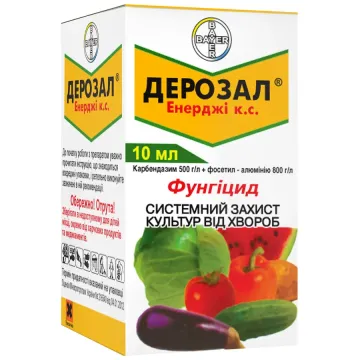
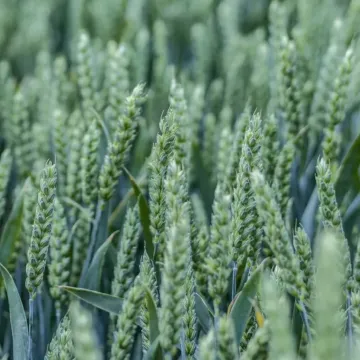
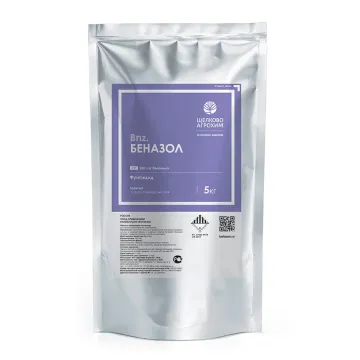


Fundazim
ТОВ «Фабрика агрохімікатів», Черкаси, Україна
Fungicides
0
0
·
1.8K
39 offers
12.15 €per 1 l
Buy
Molds (fungal)
Molds affect a wide range of crops, including cereals, legumes, vegetables, and fruits. They are particularly devastating to seeds and seedlings, where they interfere with germination, and to harvested crops in storage, where they exploit physical injuries or high moisture levels to invade healthy tissues and spread rapidly throughout the bulk.
Symptoms of mold infection typically manifest as the development of fuzzy, colorful mycelial growth on the plant surface. Depending on the species, the mold may appear white, gray, green, or black. Over time, the affected area becomes soft, discolored, and emits a musty odor, indicating that the fungal enzymes are actively breaking down the plant cells.
The primary conditions promoting mold development are high humidity and poor aeration. In the field, heavy rainfall during harvest time can create a microclimate that encourages mold growth on standing crops. In storage environments, inadequate temperature control and lack of ventilation allow moisture to condense on the surface of grains or fruits, creating an ideal substrate for fungal proliferation.
The impact of mold infection is significant, often leading to reduced germination rates, crop failure, and extensive spoilage of stored products. Furthermore, many mold species produce harmful mycotoxins that contaminate the harvest and render it unsuitable for animal or human consumption. Management strategies include the use of seed fungicides, drying of grain to safe moisture levels, and maintaining hygiene in storage facilities.