

Disease · fungal · affects Common grape vine, Large cranberry, Lettuce
Black rot
Allantophomopsis cytisporea
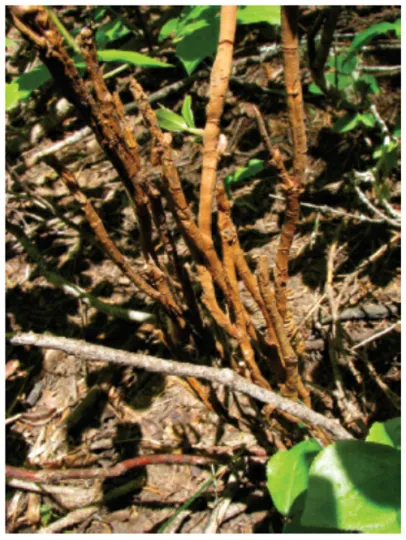
Description
Symptoms
The initial signs of black rot include the appearance of small, dark, water-soaked spots on the leaves, stems, or fruits of the host plant. These lesions gradually expand and darken, eventually turning black as the tissue dies.
A distinctive feature of this disease is the development of pycnidia within the affected areas. These look like tiny, scattered black bumps that emerge through the surface of the plant's skin, signaling the presence of the pathogen.
In root crops like sweet potatoes or radishes, the disease manifests as dark, sunken lesions that can compromise the internal quality of the root, often rendering the produce unfit for market due to rot and unpleasant odors.
For ornamental plants such as poinsettia, the infection results in wilting, yellowing of foliage, and premature leaf drop. The disease often progresses from the lower parts of the plant upwards, severely stunting its development.
In humid conditions, a visible mold or spore mass may appear on the lesions, indicating an active state of sporulation. If left unchecked, this leads to the rapid collapse of the plant architecture and secondary decay by opportunistic bacteria.
Pathogen
The causal agent of this disease is the fungus Allantophomopsis cytisporea. As a pathogen, it is characterized by its ability to persist in plant debris and soil for extended periods, waiting for suitable environmental conditions to initiate infection.
The pathogen reproduces via conidia, which are efficiently dispersed by wind, splashing rain, and irrigation water. The fungus is highly opportunistic, typically invading host tissues that have been weakened by stress or mechanical damage.
Upon germination, the mycelium penetrates the epidermis of the plant, often through stomata or wounds caused by insect pests or cultivation activities. Once inside, the fungus secretes specialized enzymes that break down plant cell walls to access nutrients.
Allantophomopsis cytisporea has a wide host range, which includes economically significant crops such as oilseed rape, papaya, poinsettia, sweet potato, lettuce, mango, radish, and sugar beet.
The lifecycle is completed when the fungus forms pycnidia, small black fruiting bodies, on the surface of necrotic tissues. These structures produce large quantities of spores, allowing the disease to spread rapidly within a crop field during favorable conditions.
Conditions for development
The development of black rot is heavily dependent on moisture. High relative humidity, typically above 85%, and temperatures ranging from 15°C to 22°C create the optimal environment for fungal germination and colonization.
Poor ventilation, whether in dense field plantings or confined greenhouse settings, exacerbates the disease spread. Stagnant moisture on leaf surfaces provides a perfect medium for the conidia to germinate and penetrate the tissue.
Cultural practices that promote excessive succulent growth, such as heavy nitrogen fertilization, increase susceptibility. Plants with softer, less lignified tissues are significantly more prone to rapid infection by Allantophomopsis cytisporea.
Mechanical injuries are primary vectors for the pathogen. Damage during weeding, pruning, or insect feeding provides direct entry points for the fungus, bypassing the plant's natural protective barriers.
Environmental stress factors, such as extreme temperature fluctuations or drought periods followed by heavy rain, weaken the plant's physiological defenses, making it an easy target for the fungal infection.
Why it matters
The primary harm caused by black rot is the direct reduction of crop yield and quality. In susceptible populations, the disease can lead to significant biomass loss and, in severe cases, the complete death of the plants.
In post-harvest scenarios, particularly with fruits like mango or papaya, black rot causes rapid decay and spoilage. This leads to substantial financial losses for growers and retailers due to rejected produce and storage failures.
For field crops, the disease undermines the plant's overall health, reducing its resistance to other stressors and pathogens. This weakens the plant's ability to produce quality yields, impacting the sugar or oil content in crops like sugar beet and oilseed rape.
The persistence of the pathogen in soil and plant residues means that farmers may face recurring issues in subsequent seasons. This often necessitates changes in crop rotation plans to prevent the buildup of infection.
The economic impact is further magnified by the high costs associated with fungicide applications and the intensive labor required to rogue infected plants and sanitize storage facilities to stop the spread.
Protection
Integrated pest management is key to controlling black rot. The cornerstone of prevention is crop rotation, ideally avoiding host species for at least three to four years to allow the soil pathogen levels to naturally decline.
The use of certified, disease-free seed and planting material is mandatory to prevent introducing the pathogen into a new site. Seed treatment with appropriate fungicides can provide an early protective barrier.
- Deep plowing to bury infested plant debris after harvest.
- Prompt removal and destruction of symptomatic plants.
- Maintaining optimal plant spacing to promote air circulation.
- Sanitization of all tools, containers, and greenhouse structures.
- Monitoring and controlling insect populations to minimize injury.
In greenhouses, managing the microclimate is vital. This includes ensuring adequate ventilation, avoiding overhead irrigation to keep leaf surfaces dry, and implementing drip irrigation systems to deliver water directly to the roots.
Chemical control should involve systematic applications of fungicides during high-risk periods. It is crucial to alternate active ingredients to prevent the development of resistant fungal strains and to strictly follow pre-harvest intervals.
In brief
10
Affects crops
Biology
Pathogens and affected parts
Pathogens
Allantophomopsis cytisporea· fungus
Ceuthospora lunata· fungus
Phacidium· fungus
Nag· fungus
Allantophomopsis lycopodina· fungus
Strasseria geniculata· fungus
Strasseria oxycocci· fungus
Xanthomonas campestris· bacterium
Xanthomonas campestris· bacterium
Guignardia bidwellii· fungus
Ceratocystis fimbriata· fungus
Ceratocystis paradoxa· fungus
Affected plant parts
whole plant
Content graph
Affects crops · 10
Content graph
Connections · Black rot
Most often together:
Marketplace
Products · 1
Community
Discussion
No discussions yet — be the first.