
Allantophomopsis cytisporea
Allantophomopsis cytisporea
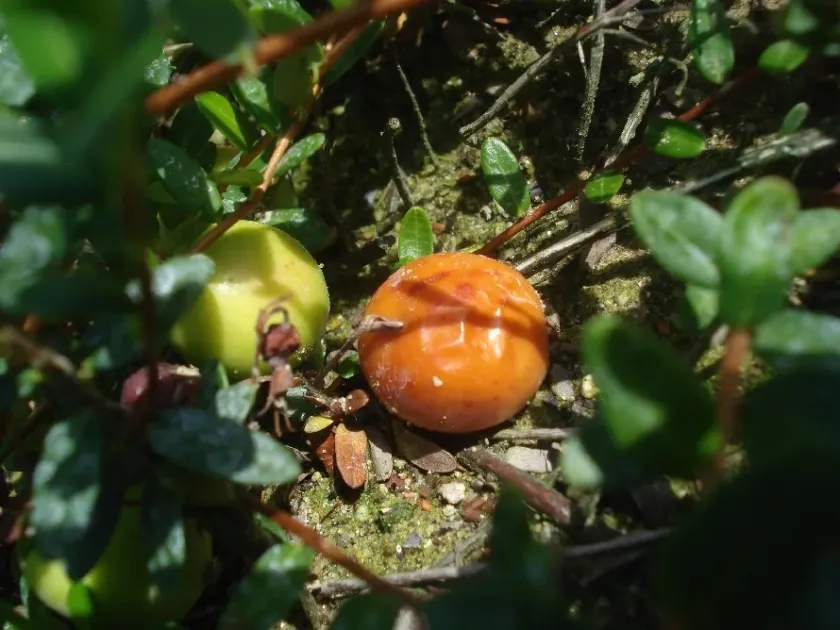
Description
How to identify
Allantophomopsis cytisporea is a fungal pathogen classified within the order Helotiales. It acts as a specialized parasite, primarily affecting berry-producing crops, with a notable incidence in cranberries (Vaccinium macrocarpon).
The fungus is categorized among the deuteromycetes (imperfect fungi). Its life cycle is heavily dependent on the formation of pycnidia, which produce conidia; these spores are responsible for spreading the infection across the field during the growing season.
While primarily parasitic, the pathogen can survive on crop debris as a saprophyte, waiting for environmental triggers to initiate a new infection cycle on susceptible host tissues.
Morphologically, the fungus produces distinctive fruiting bodies within the host tissue. As these bodies mature, they rupture the plant's epidermis, releasing the spores into the immediate environment to facilitate transmission.
Laboratory identification of this species typically requires mycological analysis, focusing on the size and structural characteristics of the conidia to differentiate it from other related species within the Allantophomopsis genus.
What it damages
The primary host for this pathogen is the American cranberry. The fungus affects both vegetative and reproductive parts of the plant, potentially leading to significant losses in both plant health and crop yield.
The damage manifests as lesions on stems and leaves, causing premature defoliation and weakening the host's overall resistance. In some cases, systemic infection of the shoots occurs, leading to stunted growth.
Infection of the berries is particularly destructive. It lowers marketability and poses a risk during storage, as the fungus can rapidly colonize fruit under high humidity, leading to mass spoilage.
When stem tissues are damaged, the transport of water and nutrients is severely hindered. This often results in the deformity or death of branches, which negatively impacts the plant's productivity for subsequent seasons.
High levels of infestation can lead to thinning of the canopy and reduced longevity of the planting, often necessitating aggressive sanitation efforts to mitigate the spread of the pathogen.
Signs of infestation
Initial symptoms are characterized by small, irregularly shaped spots on leaves and stems. Over time, these spots darken and expand, developing into clearly defined necrotic lesions.
The presence of small, slightly raised dots in the center of these lesions indicates the development of pycnidia. These fruiting bodies are the primary diagnostic marker for confirming the presence of the pathogen.
Stem infections typically manifest as browning of the bark and the formation of depressed ulcers. Under humid conditions, a light or pinkish conidial mass may emerge from the infected areas.
Berries infected by the fungus soften and develop dark spots that quickly spread over the entire fruit surface. Eventually, the infected berries shrivel and become mummified, often remaining attached to the plant.
During peak infection periods, widespread yellowing and browning of the foliage may occur, giving the cranberry beds a distressed or burned appearance.
Control measures
Cultural management is essential and includes maintaining optimal water levels. Avoiding waterlogged soil conditions is crucial, as excess moisture facilitates the germination and spread of fungal spores.
Pruning and removing infected plant materials is a vital practice. Eliminating debris at the end of the season reduces the primary inoculum reservoir, which is key to preventing re-infection in the following spring.
Chemical control via fungicides is the standard method for managing outbreaks. Preventive sprays should be timed with critical development stages, such as flowering and fruit set, to protect the most susceptible tissues.
Using disease-free planting stock is the most effective long-term strategy for preventing the introduction of the pathogen into new areas and ensuring the establishment of resilient, productive fields.
- Implementation of crop rotation and spatial isolation.
- Continuous monitoring during the critical berry development window.
- Balanced fertilization to enhance the natural defense mechanisms of the plants.
Causes diseases · 2
Discussion
No discussions yet — be the first.