
Allantophomopsis lycopodina
Allantophomopsis lycopodina
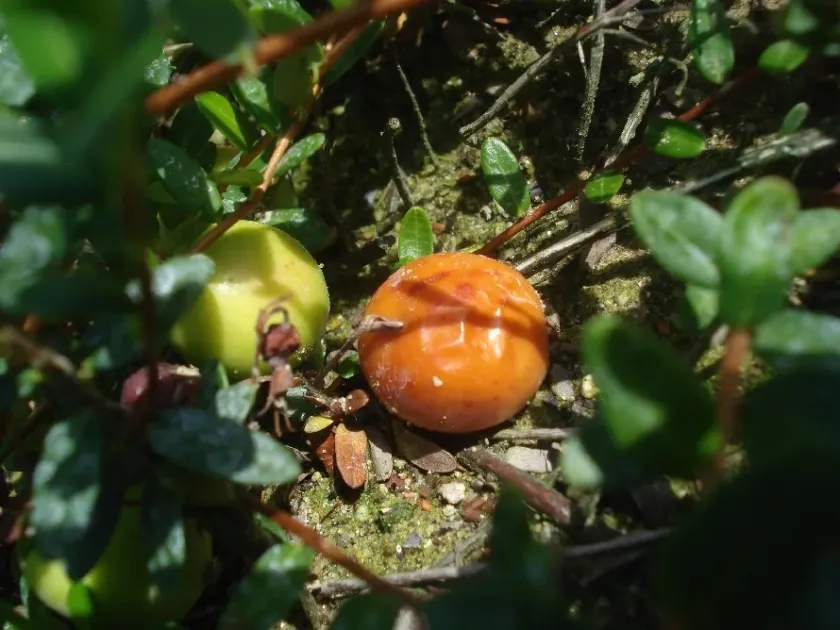
Description
How to identify
Allantophomopsis lycopodina is a specialized fungal pathogen belonging to the Ascomycota division. It is recognized as a significant threat to commercial cranberry plantations, capable of causing localized but severe necrotic damage.
The pathogen is identified by its unique reproductive structures known as pycnidia. These flask-shaped bodies host the conidia, which are the primary spores responsible for spreading the infection across fields during favorable weather conditions.
As a necrotrophic fungus, A. lycopodina produces extracellular enzymes that degrade plant tissues, allowing the mycelium to extract nutrients from the host. This process leads to the rapid development of lesions on stems and leaves.
Taxonomically, it is classified within the order of fungi known for their parasitic interactions with Ericaceae plants. It thrives in humid microclimates where water film is consistently present on the plant surface.
Laboratory diagnosis relies on morphological characteristics of the conidia, which exhibit an allantoid (sausage-like) shape. This microscopic feature serves as a definitive identifier when distinguishing it from other fungal pathogens in berry crops.
What it damages
The primary host of this pathogen is the American cranberry (Vaccinium macrocarpon). It affects the entire aerial portion of the plant, including foliage, stems, and berries, leading to physiological disruption.
Economic damage manifests as a significant reduction in fruit quality and quantity. Berries infected by the fungus suffer from rot, which limits their storage lifespan and marketability, often resulting in heavy post-harvest losses.
Stem infections are particularly damaging as they create girdling lesions. These lesions restrict the flow of water and photosynthates, causing the wilting and eventual death of the affected branches or entire plants.
The depletion of healthy foliage due to leaf spot symptoms impairs the plant's photosynthetic capacity. Consequently, the overall vigor of the cranberry bed declines, making it more susceptible to environmental stress and secondary infections.
In cases of severe infestation, large patches of the plantation may appear brown or blackened, reflecting the aggressive nature of the fungus during seasons with high precipitation or overhead irrigation overuse.
Signs of infestation
The initial signs of infection are typically small, brownish lesions appearing on younger leaves in early spring. These spots progressively enlarge, showing concentric growth patterns as the fungus consumes the tissue.
On stems, the pathogen causes the development of depressed, darker lesions. As these lesions mature, they become dotted with tiny, black, pimple-like structures, which are the maturing pycnidia of the fungus.
Under conditions of high relative humidity, a mass of spores can be observed as a subtle, slimy, or powdery exudate on the surface of the lesions. This indicates active sporulation and high infection risk.
During the dormant season, the fungus survives in the infected plant tissues. It remains active within the wood, waiting for the spring moisture to resume its growth cycle and produce new infection waves.
Infected berries exhibit soft, mushy dark patches that expand rapidly. If left unchecked, these berries collapse and become covered in fungal mass, contributing to the inoculum load for the next growing season.
Control measures
The primary control strategy involves maintaining optimal field hygiene. This includes the removal and destruction of infected plant debris, which acts as a reservoir for the pathogen during the winter months.
Water management is critical. Since high moisture levels favor A. lycopodina, improving field drainage and ensuring proper air circulation through the canopy can significantly reduce the infection pressure.
Fungicidal applications are most effective when timed with the early stages of disease development. Preventive spraying with copper-based or systemic fungicides is recommended during vulnerable growth stages.
Planting resistant varieties is the most sustainable approach to managing the disease long-term. Growers should prioritize the selection of cultivars that have shown documented tolerance to fungal stem and berry rots.
Continuous monitoring of the plantation is essential for early detection. By identifying and treating localized outbreaks, growers can prevent the disease from spreading throughout the entire field, minimizing the need for extensive chemical treatments.
Causes diseases · 2
Discussion
No discussions yet — be the first.