
Pantoea agglomerans
Erwinia herbicola
Description
How to identify
Erwinia herbicola, now reclassified as Pantoea agglomerans, is a Gram-negative, rod-shaped bacterium belonging to the Erwiniaceae family. It is a ubiquitous epiphyte, commonly found on the surfaces of leaves, in the rhizosphere, and within the plant vascular system.
This microorganism is categorized as an opportunistic pathogen. While it exists as a commensal or beneficial endophyte in healthy plants, it can turn pathogenic when plants are subjected to environmental stress, mechanical injury, or excessive moisture.
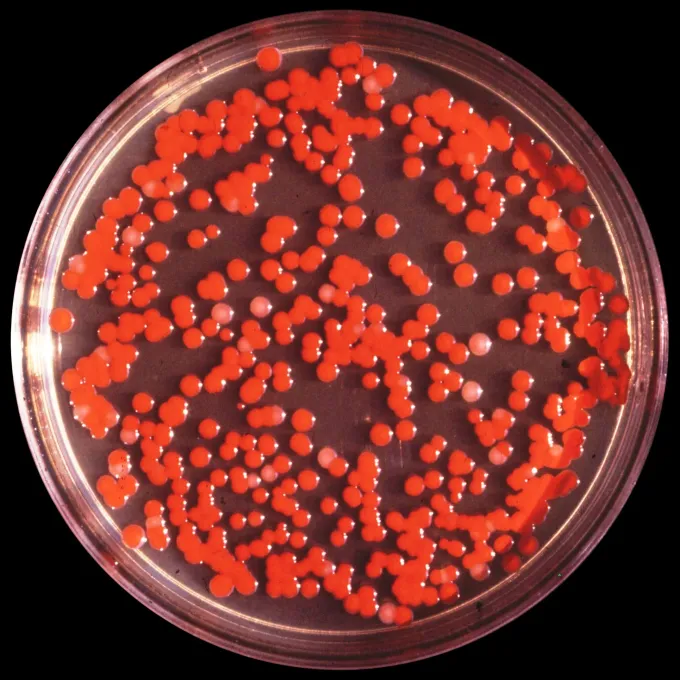
A key characteristic of P. agglomerans is its ability to produce carotenoid pigments, which give its colonies a distinctive yellow or orange appearance when grown in a laboratory setting.
The bacterium is motile, utilizing peritrichous flagella to navigate through plant tissues and water films. This mobility allows it to spread rapidly during periods of high humidity.
As an endophyte, it can reside within plant tissues for extended periods without showing symptoms, acting as a latent infection that manifests only when environmental conditions shift in favor of the bacterium.
What it damages
Pantoea agglomerans impacts a wide variety of agricultural crops, including vegetables, fruits, and cereals. Common hosts include tomatoes, onions, apples, wheat, and maize.
The bacterium is responsible for several diseases, such as bacterial leaf spot, fruit rot, vascular wilt, and tissue necrosis. In some cases, it acts as a secondary invader following other bacterial or fungal infections.
In pome fruits like apples and pears, it can complicate the progress of fire blight, leading to increased damage to fruit quality and shelf life. It is a significant cause of post-harvest rot in various products.
Onions are particularly susceptible, with the infection manifesting as bulb rot, starting from the neck and spreading throughout the scales, eventually leading to the total breakdown of the bulb.
Cereal crops may suffer from systemic infections, causing reduced seedling vigor, chlorosis, and in severe cases, the death of young plants when conditions are highly conducive to the pathogen.
When it appears
Disease development is most intense during periods of high humidity and moderate temperatures, typically between +20°C and +30°C. These conditions favor rapid multiplication and spread.
Infection spreads primarily through water splashes from rain or irrigation, and via insect vectors that transfer the bacteria from symptomatic plants to healthy tissue.
Dew and fog create a thin film of water on plant surfaces, which is essential for the movement of the bacteria toward stomata and other natural openings where they can penetrate the plant.
The pathogen overwinters in plant debris, soil, and on perennial weeds, which serve as reservoirs to maintain the bacterial population during the dormant season.
Risk is highest in the latter part of the growing season, particularly just before harvest, when fruits and tubers are most vulnerable to opportunistic colonization and infection.
Signs of infestation
Symptoms often appear as water-soaked spots on foliage, which eventually darken and turn brown or black. These spots may be surrounded by a yellow halo, indicating the plant's stress response.
Under high moisture, a bacterial ooze or slime may be visible on the surface of the lesions. This exudate contains high concentrations of bacteria that are easily spread by wind and rain.
Systemic infection leads to vascular browning, wilting of branches or entire plants, and, in some cases, stunted growth. Leaf drop and necrotic streaks on stems are also commonly reported.
In fruits and bulbs, the tissue becomes soft and water-soaked, frequently accompanied by an unpleasant, foul-smelling odor caused by the degradation of plant cells.
- Water-soaked, translucent spots on leaves and fruit.
- Visible bacterial ooze in humid conditions.
- Wilting of stems or foliage despite adequate soil moisture.
- Soft, foul-smelling rot in tubers and bulbs.
Control measures
Effective management begins with strict cultural practices. Avoiding overcrowding in the field and maintaining proper plant spacing ensures adequate airflow, which keeps foliage dry.
Sanitation is critical; removing and destroying infected plant debris reduces the overwintering inoculum. Deep plowing helps to accelerate the decomposition of plant material and reduces pathogen survival.
Implementing a diverse crop rotation cycle is essential to break the infection chain and prevent the buildup of the bacterial population in the soil over consecutive years.
Preventative chemical applications, such as copper-based bactericides, can offer protection during periods of high risk, especially when weather forecasts predict extended rainy periods.
Biological control using antagonistic bacterial strains can create competition on the plant surface, limiting the establishment and growth of Pantoea agglomerans populations.
Discussion
No discussions yet — be the first.