
Alphaproteobacteria
Alphaproteobacteria
Description
Symptoms
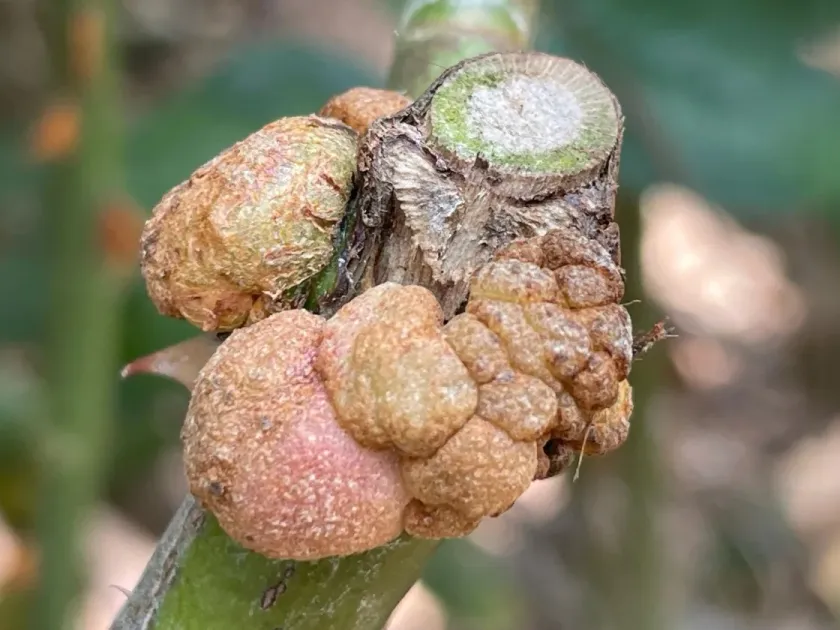
The hallmark symptom of an Alphaproteobacteria infection is the formation of galls — abnormal, tumor-like growths usually found at the crown or on the roots.
Early-stage galls appear as pale, soft, and somewhat spherical tissues that eventually enlarge, darken, and harden into woody, irregular structures.
Infection often leads to systemic symptoms such as stunted growth, yellowing (chlorosis) of the foliage, and premature wilting during dry periods.
Severe infestations can lead to structural weakness of the stem or root system, making the plant highly susceptible to wind damage or breaking.
- Formation of tumor-like galls on roots or crown.
- General stunting of plant height and vigor.
- Leaf chlorosis and loss of photosynthetic efficiency.
- Reduced water and nutrient uptake by damaged roots.
- Premature death of seedlings in highly infected nursery stock.
Pathogen
Alphaproteobacteria is a diverse class of bacteria that includes significant plant pathogens, most notably within the Agrobacterium genus.
The most prominent example, Agrobacterium tumefaciens, is the causal agent of crown gall disease, a condition characterized by tumor-like growths on various plants.
These bacteria possess a unique biological mechanism known as horizontal gene transfer, where they insert their own T-DNA into the host plant's genome.
By altering the host's genetic programming, the bacteria force the plant cells to proliferate uncontrollably and produce specialized compounds for bacterial consumption.
These organisms are often opportunistic, taking advantage of wounds or natural openings to colonize the vascular tissues or root zones of their hosts.
Conditions for development
The spread and development of these bacterial diseases are heavily dependent on the presence of entry points such as mechanical wounds or grafting cuts.
Infection thrives in environments with high soil moisture and moderate temperatures, typically between 20°C and 28°C, which favor bacterial colonization.
The pathogens are persistent in the soil, capable of surviving for long periods in organic matter or the rhizosphere of non-host plants.
Primary transmission routes include the movement of infested soil, contaminated water runoff, and the use of infected nursery stock or tools.
Frequent agricultural practices, such as pruning and cultivation, significantly increase the risk if hygiene protocols are not followed during operation.
Why it matters
The primary economic harm is caused by the disruption of the plant's vascular integrity, leading to impaired translocation of water and minerals.
In perennial crops, the presence of galls causes a steady decline in yield quality and quantity, often requiring the removal of entire plantation sectors.
For nursery production, the disease is particularly devastating as it renders thousands of plants unsellable and requires expensive quarantine protocols.
Infected plants exhibit reduced tolerance to abiotic stresses, such as drought or cold, leading to higher mortality rates in commercial orchards.
Secondary infections often colonize the damaged gall tissues, further exacerbating the decline and decay of the plant host.
Protection
The most effective management strategy is the prevention of infection through the exclusive use of pathogen-free, certified planting material.
Strict sanitation protocols must be maintained, including the regular disinfection of all tools used for pruning, grafting, and cultivation.
Implementation of long-term crop rotation schemes helps reduce the population of soil-borne bacteria, ensuring that susceptible hosts are not planted in infested fields.
Prompt identification and eradication of symptomatic plants, including the removal of the root ball, are crucial to prevent the spread to neighboring healthy plants.
Minimizing mechanical trauma to the root and crown zones during routine farm operations is vital to protecting the plant from initial bacterial colonization.
Discussion
No discussions yet — be the first.