
Pectobacterium carotovorum
Pectobacterium carotovorum
Description
How to identify
Pectobacterium carotovorum is a gram-negative, rod-shaped bacterium belonging to the family Pectobacteriaceae. It is widely recognized as the primary pathogen responsible for soft rot diseases in a diverse range of plant species worldwide.
The bacterium is characterized by the production of potent extracellular enzymes, primarily pectinases and cellulases. These enzymes degrade the pectic components of the plant cell walls, leading to the maceration of tissues and the characteristic collapse of the host structure.
What it damages
The host range of this pathogen is exceptionally broad, encompassing most commercial vegetables and ornamental plants. Significant economic losses are frequently observed in potatoes, carrots, onions, cruciferous vegetables, and various cucurbits, both in the field and post-harvest.
Soft rot causes severe tissue destruction, rendering agricultural produce completely unmarketable. Due to its rapid spread under high-moisture conditions, the pathogen is a major concern for storage facilities, where a single infected root can lead to the total loss of a storage batch.
When it appears
Optimal conditions for infection and disease progression include high relative humidity (above 90%) and temperatures between 20°C and 30°C. The pathogen persists in soil, crop residues, and infected tubers or roots, waiting for environmental conditions conducive to rapid multiplication.
Disease outbreaks are often triggered by heavy rainfall, waterlogged soils, or mechanical injuries. Insects, such as larvae of root flies, serve as critical vectors, facilitating the inoculation of the bacterium directly into the plant tissues, bypassing natural barriers.
Signs of infestation
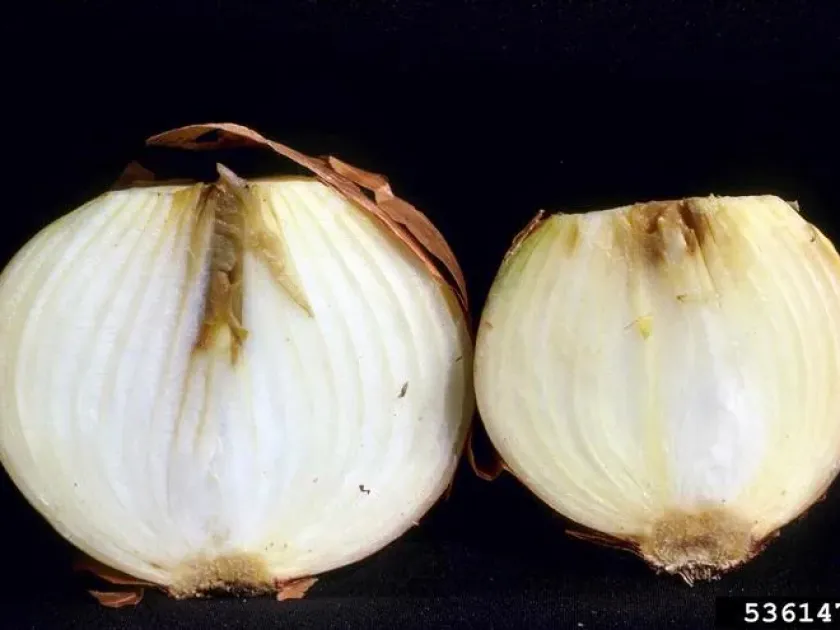
The initial symptoms usually appear as small, water-soaked, translucent lesions that expand rapidly. As the infection progresses, the structural integrity of the plant tissue is lost, resulting in a soft, often foul-smelling, mushy mass.
- Rapid degradation of parenchyma tissues in tubers and roots.
- Water-soaked, dark-colored lesions on stems and petioles.
- Excessive slime production on the surface of decaying plant matter.
- General wilting and eventual collapse of the aerial parts of the plant.
Control measures
Effective management requires an integrated approach starting with crop rotation, avoiding susceptible crops for several years. High-quality, disease-free seed stock should be prioritized to reduce the primary inoculum load in the field.
Post-harvest control depends heavily on careful handling to minimize wounding, thorough drying of crops before storage, and maintaining adequate ventilation in warehouses. Rigorous insect control programs are essential to reduce the mechanical transmission of the bacteria by pests.
Causes diseases · 2
Discussion
No discussions yet — be the first.